Introduction to Neuromuscular Re-Education
Neuromuscular re-education is an approach designed to improve how your body moves by strengthening the connection between your nervous system and muscles. This method enhances movement efficiency, supports recovery from injuries, and helps optimize both daily activities and athletic performance.
Modern lifestyles, including poor posture, repetitive strain, and sedentary habits, can negatively affect movement patterns. Neuromuscular re-education retrains the body to move correctly, reducing the risk of injuries and improving overall function, especially when guided by a skilled physiotherapist in islamabad.
By understanding its principles and applying practical techniques, you can create a personalized program that boosts your strength, coordination, and overall physical performance.
Understanding the Science Behind Neuromuscular Re-Education
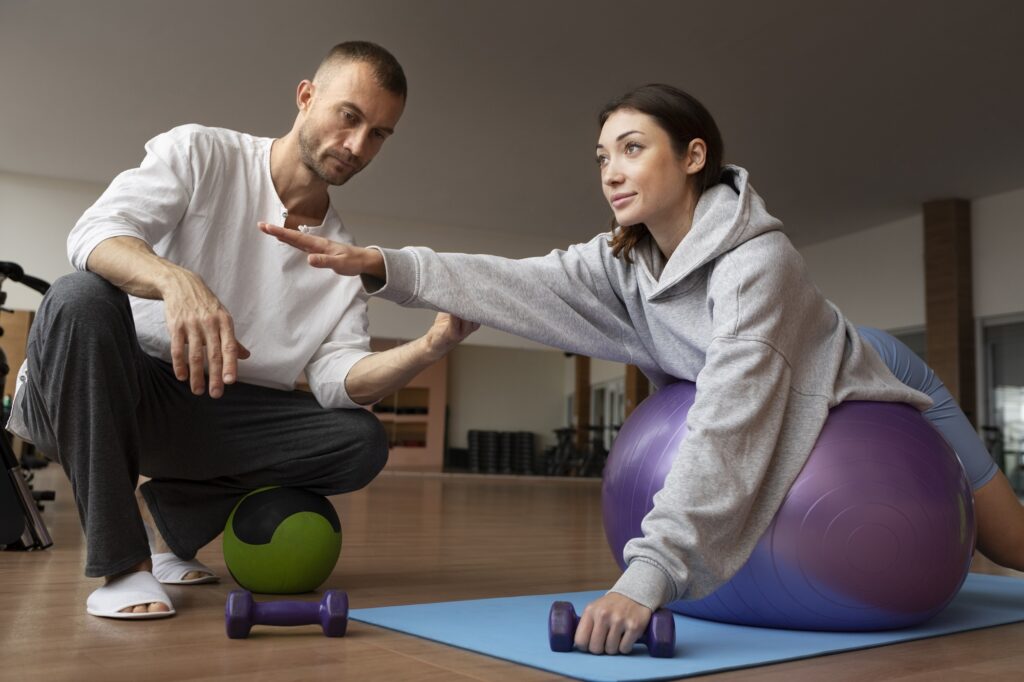
Neuromuscular re-education focuses on the crucial connection between your nervous system and muscles. Injuries, poor posture, repetitive strain, or improper movement patterns can disrupt this communication, leading to inefficient movement, discomfort, and a higher risk of further injury, making injury prevention exercises an essential part of recovery and long-term movement health.
This approach uses targeted exercises and specific techniques to retrain these neural pathways, restoring proper coordination and communication between nerves and muscles. Neuroplasticity—the brain’s ability to reorganize and form new neural connections—plays a central role, allowing the body to adapt over time.
By consistently practicing these exercises, you can improve movement efficiency, enhance coordination, and support both injury recovery and optimal physical performance, especially under the guidance of a chiropractor in islamabad.
Benefits of Neuromuscular Re-Education for Movement
Neuromuscular re-education enhances motor skills, helping you move more efficiently in sports, work, and daily activities. By emphasizing precise, controlled movements, it improves coordination, balance, and overall movement quality.
This training also plays a critical role in injury prevention by identifying and correcting faulty movement patterns, reducing the risk of strains, sprains, and repetitive stress injuries. Over time, it strengthens the connection between your nervous system and muscles, allowing your body to respond more effectively to challenges and dynamic movements.
Additionally, neuromuscular re-education can alleviate chronic pain by addressing the root causes of movement dysfunction. As your body learns to move more efficiently and with better control, you may experience less discomfort, improved posture, and enhanced overall physical performance, contributing to a higher quality of life.
Techniques Used in Neuromuscular Re-Education
A variety of techniques are employed in neuromuscular re-education to improve movement patterns and enhance your body’s functionality. These methods are designed to target specific areas of dysfunction and promote efficient communication between your nervous system and muscles.
- Proprioceptive Training: This technique focuses on improving your body’s awareness in space. Exercises such as balance drills and stability work can enhance proprioception, leading to better coordination and control.
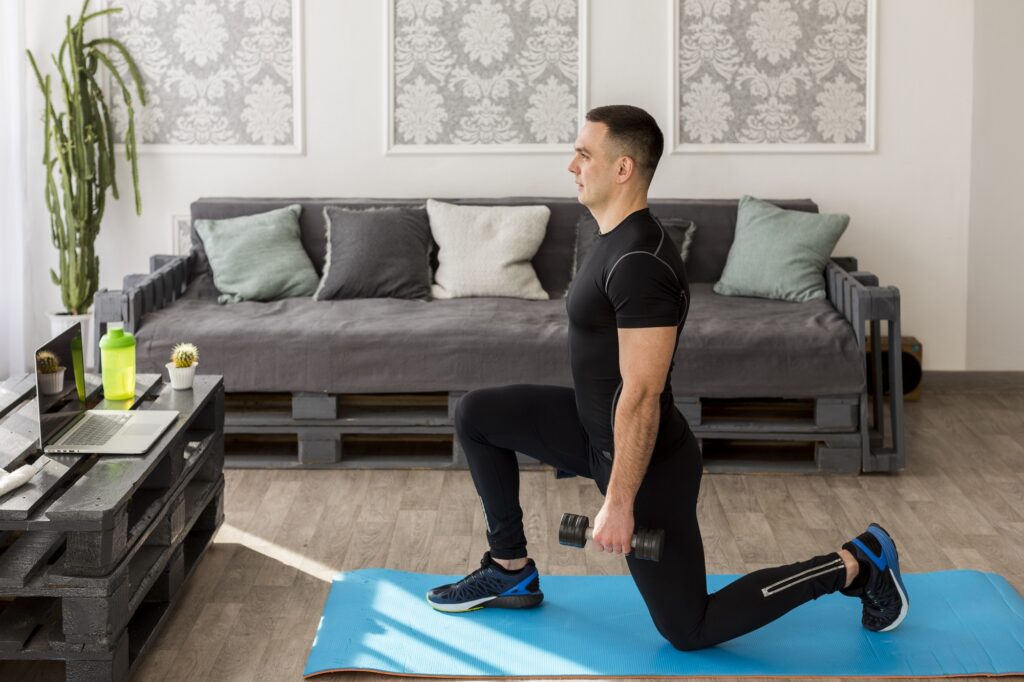
- Functional Movement Exercises: These exercises mimic real-life activities, helping you develop strength and flexibility in movements you perform daily. Squats, lunges, and push-ups are examples of functional exercises that can be incorporated into your routine.
- Corrective Exercises: Designed to address specific movement dysfunctions, corrective exercises target weak or imbalanced muscles. By strengthening these areas, you can improve overall movement efficiency.
Incorporating these techniques into your training program can provide you with a comprehensive approach to neuromuscular re-education, ultimately leading to enhanced movement and reduced risk of injury.
Creating a Neuromuscular Re-Education Program
Designing a personalized neuromuscular re-education program begins with a thorough assessment of your current movement patterns to identify weaknesses, imbalances, or areas needing improvement. This baseline evaluation should include posture analysis, range of motion, muscle strength, and coordination, providing a clear understanding of your movement limitations.
Once the assessment is complete, develop a targeted plan with exercises and activities aligned with neuromuscular re-education principles. These exercises should focus on retraining movement patterns, improving muscle activation, and enhancing coordination between the nervous system and muscles.
Regular monitoring of progress is essential. Adjust your program as needed to ensure continuous improvement, challenge your neuromuscular system appropriately, and prevent plateaus. With consistent practice and refinement, a well-designed program can lead to more efficient, safe, and effective movement.
Common Conditions Treated with Neuromuscular Re-Education
Neuromuscular re-education is an effective approach for managing a wide range of conditions that affect movement. By addressing the underlying causes of dysfunction, this training method can facilitate recovery and improve overall mobility.
- Post-Surgical Rehabilitation: After surgery, neuromuscular re-education can help restore movement and function, reduce pain, and prevent complications.
- Chronic Pain Conditions: For individuals suffering from conditions like fibromyalgia or arthritis, neuromuscular re-education can alleviate pain by improving movement patterns and reducing stress on joints.
- Neurological Disorders: Conditions such as stroke, multiple sclerosis, and cerebral palsy can benefit from this training by enhancing motor control and coordination.
By focusing on these areas, neuromuscular re-education supports recovery, improves mobility, and enhances overall quality of life.
The Role of a Specialist in Neuromuscular Training
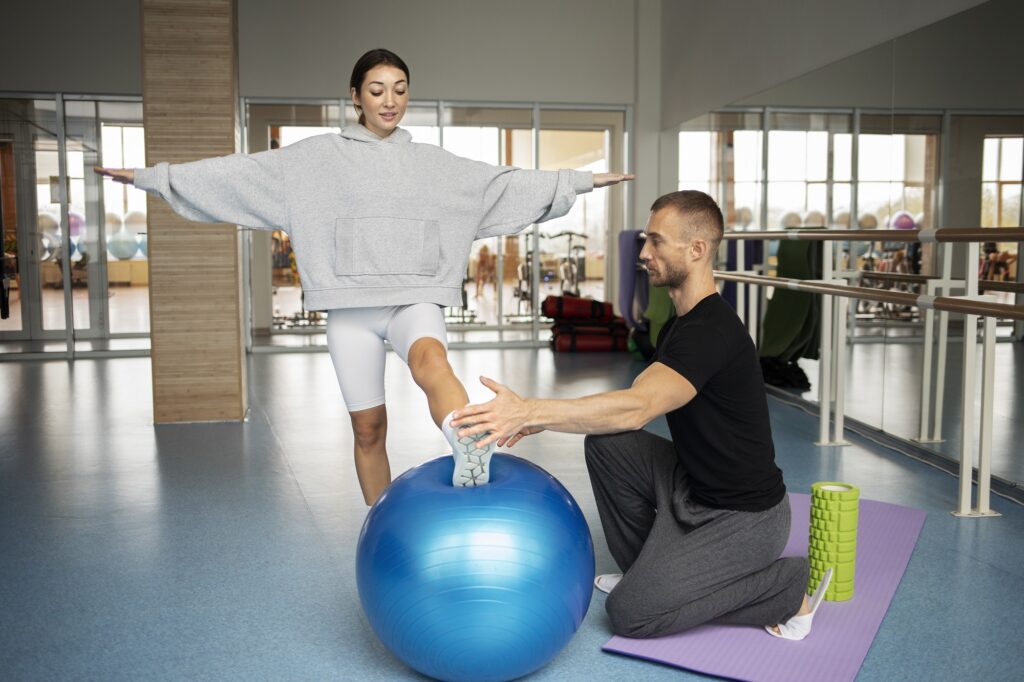
Working with a specialist is important for effective neuromuscular re-education. Physical therapists, occupational therapists, and certified trainers have the knowledge to assess your movement patterns, identify dysfunctions, and create a personalized training program.
They guide you through exercises to improve coordination, correct faulty movements, and restore muscle function. Specialists also adjust your program as you progress, ensuring safe and continuous improvement.
Their support helps you understand proper techniques, integrate them into daily activities, and achieve better overall movement, performance, and long-term physical well-being.
Conclusion
Neuromuscular re-education is a powerful approach for improving movement and overall physical health. By understanding its principles and techniques, you can create a personalized program that addresses your specific needs and goals.
With proper guidance from a specialist, this training helps prevent injuries, enhance performance, and improve quality of life. Whether recovering from an injury or aiming to optimize movement, neuromuscular re-education provides a foundation for a healthier, more active lifestyle.