
Understanding Gait Analysis
Gait analysis is a comprehensive assessment of how you walk or run, focusing on the details of your movement. It involves observing and measuring body mechanics, muscle activity, and joint interactions. Physiotherapists use gait analysis to identify deviations from typical movement patterns, which may indicate underlying health issues. This assessment is valuable not only for athletes but also for anyone experiencing pain or mobility challenges.
The importance of gait analysis lies in detecting problems that may not be immediately apparent. Abnormal walking patterns can contribute to chronic pain or sports injury, and early identification allows for personalized treatment and prevention of future issues.
Gait analysis is also useful for monitoring rehabilitation progress. By comparing assessments over time, physiotherapists can evaluate the effectiveness of treatments and make necessary adjustments. Overall, gait analysis plays a key role in diagnosing, managing, and improving movement, enhancing quality of life.
Key Components of Gait Analysis
Gait analysis involves several key components, each providing unique insights into your movement. These components include temporal-spatial parameters, kinematics, kinetics, and electromyography (EMG). Together, they form a comprehensive picture of how you walk or run, helping to identify abnormalities and guide treatment for sports related injuries.
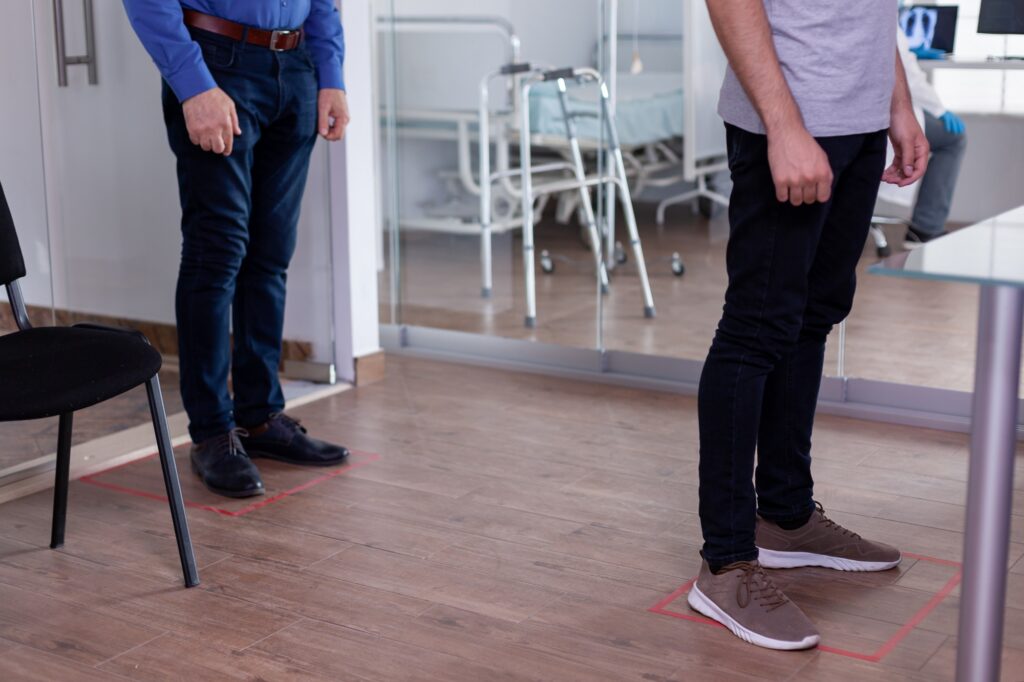
- Temporal-Spatial Parameters: These measurements include step length, cadence, and walking speed. They offer a basic understanding of your gait cycle, highlighting any irregularities in timing or rhythm.
- Kinematics: This aspect focuses on the motion of your body parts during movement. By analyzing joint angles and segmental movements, physiotherapists can detect deviations from normal gait patterns.
- Kinetics: Kinetics involves the forces that act on your body while in motion. By assessing ground reaction forces and joint moments, physiotherapists can understand the mechanical stresses placed on your body.
- Electromyography (EMG): EMG measures muscle activity during movement. It helps in identifying muscle weaknesses or overactivities that may contribute to gait abnormalities.
Each component of gait analysis provides valuable data that contributes to a holistic understanding of your movement patterns. By integrating these insights, physiotherapists can develop targeted interventions to address your specific needs.
How Gait Analysis Can Identify Underlying Issues
Gait analysis is a powerful diagnostic tool that can uncover underlying causes of pain or dysfunction. By carefully examining your gait, physiotherapists can identify mechanical inefficiencies, muscle imbalances, or joint abnormalities that may be contributing to problems.
For example, recurring knee pain might be linked to improper knee alignment during movement, which could result from weak hip muscles. Targeted exercises addressing the root cause can relieve pain and prevent further damage.
Gait analysis can also detect neurological issues affecting movement. Conditions such as Parkinson’s disease or multiple sclerosis often show changes in gait patterns. Early detection enables timely interventions that can slow disease progression and improve quality of life.
The Physiotherapist’s Perspective: What They Look for in Your Gait
From a physiotherapist’s perspective, analyzing your gait involves observing specific indicators of physical health. They focus on the symmetry of movements, coordination between body parts, and any compensatory behaviors.
Symmetry is important to ensure no part of the body is overcompensating for another. An asymmetrical gait can indicate imbalances that may lead to injuries. Physiotherapists check whether arms and legs move in harmony and if both sides of the body bear equal weight.
Coordination between body parts is also crucial. A well-coordinated gait shows that muscles and nerves are working effectively together, while uncoordinated movement may suggest neurological issues or muscle dysfunction.
Compensatory behaviors are another key focus. Favoring one side or adjusting posture unnaturally can indicate underlying pain or weakness. Addressing these compensations is essential to restore natural movement and prevent further complications.
Common Gait Patterns and Their Implications
Understanding common gait patterns can provide valuable insights into potential health issues. Each pattern has distinct characteristics and implications, which can help physiotherapists tailor interventions effectively.
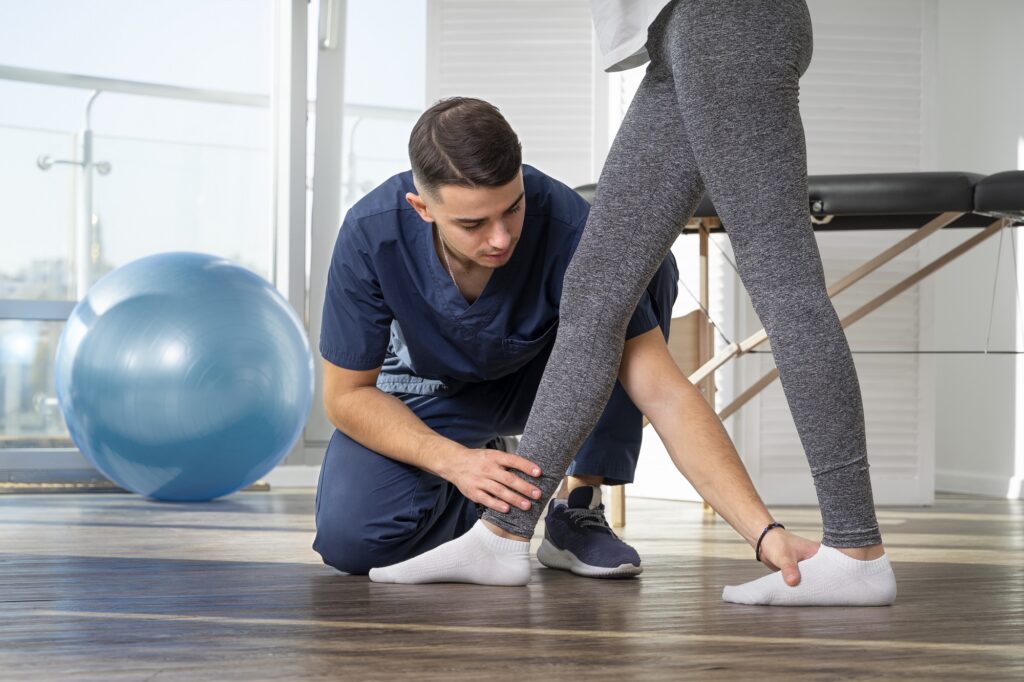
- Antalgic Gait: Characterized by a shortened stance phase on the affected side, this pattern often indicates pain. It is commonly observed in individuals with arthritis or acute injuries.
- Trendelenburg Gait: This pattern involves a noticeable drop of the pelvis on the opposite side of the weakened hip abductors. It often results from hip muscle weakness or nerve damage.
- Spastic Gait: Typically seen in conditions like cerebral palsy, this gait is marked by stiff, jerky movements. It is caused by muscle tightness and lack of coordination.
- Ataxic Gait: Associated with cerebellar dysfunction, this gait involves unsteady and wide-based movements. It is often seen in individuals with balance disorders.
Recognizing these patterns allows physiotherapists to identify specific areas of concern and develop targeted treatment plans based on the underlying causes.
The Role of Technology in Gait Analysis
The integration of technology in gait analysis has revolutionized the field, providing physiotherapists with more precise and comprehensive data. Advanced tools such as motion capture systems, pressure sensors, and wearable devices have enhanced the accuracy and efficiency of gait assessments.
- Motion Capture Systems: These systems use cameras and sensors to create a 3D model of your movement. This technology allows for detailed analysis of joint angles, velocities, and accelerations, providing a deeper understanding of your gait mechanics.
- Pressure Sensors: Embedded in walkways or insoles, these sensors measure the distribution of pressure across your feet during movement. They help identify areas of excessive force, which can lead to pain or injury.
- Wearable Devices: These devices track your movement in real-time, offering valuable insights into your gait outside of a clinical setting. They are useful for monitoring progress and making adjustments to treatment plans.
Technology enables detection of subtle abnormalities that may be missed through visual observation alone and allows physiotherapists to track progress and modify interventions as needed.
How Gait Analysis Informs Treatment Plans
Gait analysis is integral to developing personalized treatment plans that address your specific needs. By understanding your movement patterns, physiotherapists can create interventions targeting the root causes of your issues, leading to more effective outcomes.

The data from gait analysis informs exercise selection, manual therapy techniques, and the use of assistive devices. For example, if muscle weakness is detected, strengthening exercises can correct the imbalance.
Gait analysis also guides the duration and intensity of treatment. By monitoring changes over time, physiotherapists can determine when to progress or adjust your rehabilitation program, ensuring the right level of care at each stage.
Ultimately, gait analysis empowers physiotherapists to make informed decisions, enhancing the likelihood of successful outcomes and ensuring rehabilitation is efficient, effective, and tailored to your needs.
Conclusion
Gait analysis is a vital tool in physiotherapy, providing information that can greatly enhance your recovery. By understanding your movement patterns, physiotherapists can identify underlying issues, tailor interventions, and monitor progress effectively. This personalized approach ensures you receive the most appropriate care for your needs, improving overall quality of life.Whether recovering from an injury, managing a chronic condition, or aiming to optimize physical performance, gait analysis offers valuable insights to guide rehabilitation. The integration of technology further enhances this process, enabling precise assessments and dynamic treatment plans.