
When you experience a bone fracture, understanding the healing process can be crucial for your recovery. The human body is remarkably adept at repairing itself, and the healing of a broken bone is a testament to this capability. The complex biological processes involved work harmoniously to restore bone integrity and functionality.
A broken bone undergoes a systematic healing process that involves several stages, which plays a key role in the management of bone fracture. This process is not only about reconnecting the separated parts but also about restoring the bone’s strength and structure. The time it takes to heal can vary based on several factors, but the underlying biological processes remain consistent.
Knowing what to expect during bone healing can help you manage your recovery more effectively. By understanding the different phases, you can better appreciate the intricate work your body performs to heal itself, and you can take proactive steps to support this natural process.
Stages of Bone Healing: An Overview
Bone healing involves three primary stages: the inflammatory phase, the reparative phase, and the remodeling phase. Each stage plays a crucial role in ensuring that the bone heals correctly and regains its original strength and functionality.

- Inflammatory Phase: Immediately following a bone fracture, the inflammatory phase begins. This stage is characterized by swelling and the formation of a blood clot around the fracture site, which provides the initial framework for new tissue growth.
- Reparative Phase: The reparative phase follows, where the body starts to build a soft callus around the fracture. This soft callus gradually hardens into a new bone, known as woven bone, which provides initial stability to the fracture.
- Remodeling Phase: In the final phase, the woven bone is remodeled into a stronger, more structured bone. This stage can last several months, as the bone continues to strengthen and reshape itself to its original form.
Understanding these stages can help you set realistic expectations for your recovery timeline and recognize the signs of each phase as they occur.
The Biology of Bone: Understanding the Structure and Function
Bones are more than just the structural framework of your body; they are living tissues that constantly undergo renewal and repair. Composed primarily of a matrix of collagen fibers and mineral deposits, bones are both strong and flexible, enabling them to withstand significant forces.
The primary functions of bones include supporting the body’s structure, protecting vital organs, facilitating movement through attachment points for muscles, and serving as a reservoir for minerals such as calcium and phosphorus. These functions highlight why long-term bone health matters, something commonly considered in general musculoskeletal guidance from a physiotherapist in Islamabad.
Bone cells, including osteoblasts, osteoclasts, and osteocytes, play crucial roles in bone maintenance and repair. Osteoblasts build new bone tissue, osteoclasts break down old or damaged bone, and osteocytes regulate the bone formation process. This delicate balance is vital for both the daily maintenance of bone health and the healing process after a fracture.
What Happens Immediately After a Fracture?
The moment a bone fractures, a series of immediate responses occur within your body. The fracture disrupts the blood vessels within the bone, leading to localized bleeding and the formation of a hematoma or blood clot. This clot is essential as it acts as a scaffold for the subsequent stages of healing.
Pain and swelling are common immediately after a fracture due to the inflammatory response. This inflammation serves a purpose: it helps to mobilize the body’s resources to the injured area, facilitating the cleaning up of debris and the recruitment of cells necessary for repair.
Your body instinctively limits movement around the fracture site through muscle spasms, which serve as a natural splint to stabilize the area and prevent further injury. Understanding these initial responses can help you manage your immediate post-injury care and seek appropriate medical attention promptly.
The Inflammatory Phase: Initial Response to Injury
The inflammatory phase is the body’s first line of defense following a bone fracture. This phase begins immediately after the injury and typically lasts for a few days. During this time, the blood clot formed at the fracture site acts as a temporary barrier, preventing further bleeding and creating a framework for new tissue growth.
Inflammation is a critical part of the healing process, although it often causes discomfort. It serves to protect the injured area and signals the arrival of immune cells that clean up debris and fight infection. This phase also involves the release of growth factors that initiate tissue repair.
While inflammation is necessary, excessive or prolonged inflammation can hinder recovery. It’s important to manage this phase properly, often under medical guidance, to ensure that inflammation supports, rather than complicates, the healing process.
The Reparative Phase: How the Body Rebuilds Bone
The reparative phase is where the real magic of bone healing happens. This stage involves the formation of a soft callus around the fracture, which gradually transforms into a hard callus. The soft callus, composed of collagen and cartilage, stabilizes the fracture and provides a scaffold for new bone growth.
As the reparative phase progresses, osteoblasts begin the process of ossification, where the soft callus is replaced by woven bone. This new bone is initially weaker and less organized than mature bone, but it provides the necessary stability to start bearing weight and facilitating movement.
During this phase, it is essential to follow medical advice regarding activity levels and rehabilitation exercises. Proper nutrition, including adequate intake of calcium and vitamin D, can support this phase by providing the essential nutrients needed for bone formation.
The Remodeling Phase: Restoring Strength and Structure
The remodeling phase is the final stage of bone healing, where the woven bone formed during the reparative phase is replaced by lamellar bone, which is stronger and more structured. This phase can last several months to years, depending on the severity of the fracture and other individual factors.
During remodeling, osteoclasts resorb old bone, and osteoblasts lay down new bone, gradually reshaping the bone to its original form. This process not only restores the bone’s structural integrity but also enhances its strength and resilience.
Physical therapy and gradual return to normal activities are crucial during this phase to ensure that the bone heals correctly and regains its full function. Regular follow-up appointments with your healthcare provider can help monitor progress and address any concerns that may arise.
Factors Affecting Bone Healing: Age, Nutrition, and Overall Health
Several factors can influence the speed and effectiveness of bone healing. Age is a significant factor, as younger individuals typically heal faster due to their higher metabolic rates and more robust cellular activity. However, older adults can still experience successful bone healing with proper care.
Nutrition plays a vital role in bone health and healing. A diet rich in calcium, vitamin D, and other essential nutrients supports the formation of new bone tissue. Additionally, maintaining a healthy lifestyle, including regular exercise and avoiding smoking and excessive alcohol consumption, can enhance your body’s ability to heal.
Overall health also impacts bone healing. Conditions such as diabetes, osteoporosis, and certain medications can affect the healing process. It’s important to manage any underlying health issues and work closely with your healthcare provider to optimize your recovery.
Common Myths About Bone Healing
There are numerous myths surrounding bone healing that can lead to misconceptions. One common myth is that you should avoid all movement of the injured limb. While rest is important, controlled movements and rehabilitation exercises are crucial for preventing stiffness and promoting recovery.
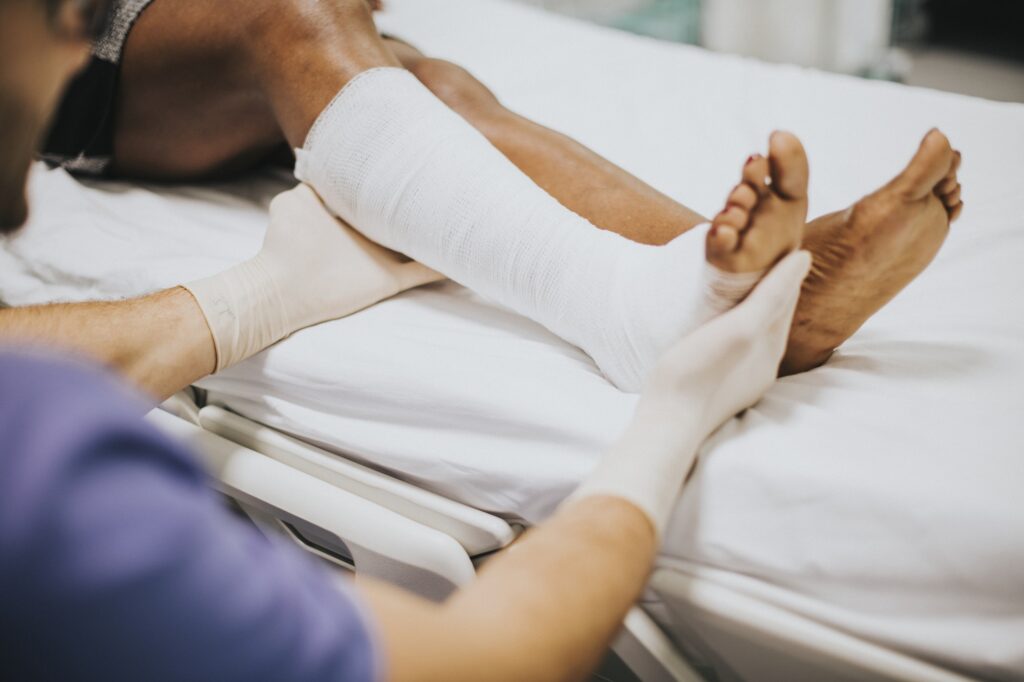
Another myth is that once a cast is removed, the bone is fully healed. In reality, the removal of a cast marks the beginning of the remodeling phase, where the bone continues to strengthen over time. Patience and adherence to rehabilitation programs are key to achieving full recovery.
Some believe that taking calcium supplements will immediately speed up bone healing. While calcium is essential, bone healing is a complex process that requires a holistic approach, including proper nutrition, exercise, and medical care.
Tips for Promoting Faster Bone Healing

To support your body’s natural healing process, consider the following tips:
- Maintain a Balanced Diet: Ensure your diet includes plenty of calcium-rich foods like dairy products, leafy greens, and fortified cereals. Vitamin D, found in fatty fish and sunlight exposure, is also crucial.
- Follow Medical Advice: Adhere to your doctor’s recommendations regarding rest, activity levels, and rehabilitation exercises. This guidance is tailored to your specific injury and recovery needs.
- Stay Active: Engage in approved low-impact exercises to maintain circulation and muscle strength, which can aid the healing process.
- Avoid Smoking and Excessive Alcohol: Both can interfere with blood flow and bone healing, so it’s best to minimize or avoid these habits during recovery.
- Monitor Your Progress: Regular follow-ups with your healthcare provider can help track your healing and address any concerns promptly.
When to Seek Medical Attention for a Fracture
Prompt medical attention is crucial for a successful recovery from a fracture. Seek immediate care if you suspect a fracture, especially if you experience severe pain, swelling, deformity, or inability to move the affected area.
During your recovery, watch for signs of complications, such as increased pain, redness, or warmth around the fracture site, which could indicate an infection or improper healing. If you notice any of these symptoms, contact your healthcare provider promptly.
Regular check-ins with your doctor are important to ensure that the bone is healing correctly and to make any necessary adjustments to your treatment plan. Don’t hesitate to reach out if you have questions or concerns about your recovery.
Conclusion: The Importance of Understanding Bone Healing
Understanding the healing process of a broken bone empowers you to actively participate in your recovery. By recognizing the stages of bone healing and the factors that influence it, you can take proactive steps to support your body’s natural ability to heal.
Maintaining a healthy lifestyle, following medical advice, and addressing any underlying health issues can significantly enhance your recovery experience. Remember, patience and persistence are key to a successful outcome.
If you or a loved one is dealing with a bone fracture, consider reaching out to healthcare professionals for guidance and support. They can provide personalized care and help you navigate the healing process effectively.