Ligament tears are injuries that often occur in active individuals and athletes, but they can affect anyone. These tears result from excessive stretching of the ligament, leading to partial or complete rupture. This type of injury is common in joints such as the knee, ankle, and wrist. When a ligament is torn, it can severely impact mobility, causing pain, swelling, and instability in the affected area.
The impact on mobility can vary depending on the severity of the tear. A mild tear might only cause slight discomfort, while a severe tear can result in complete loss of function in the joint. The instability caused by a torn ligament can hinder your ability to walk, run, or perform daily activities, making it crucial to address these issues promptly. Understanding the nature of ligament tears helps in devising an effective rehabilitation plan.
Rehabilitation following a ligament tear is essential for restoring mobility and function. It typically involves a combination of rest, physical therapy, and possibly surgery, depending on the injury’s severity. The goal is to strengthen the surrounding muscles, improve flexibility, and ensure the joint regains its normal range of motion. A comprehensive understanding of the injury is the first step toward effective recovery.
The Importance of Pain Management in Rehabilitation
Pain management is a vital component of rehabilitation for ligament tears. Effective pain control not only improves your comfort but also enhances your ability to participate in rehabilitation exercises. Without proper pain management, the healing process can be prolonged, and the risk of developing chronic pain increases.
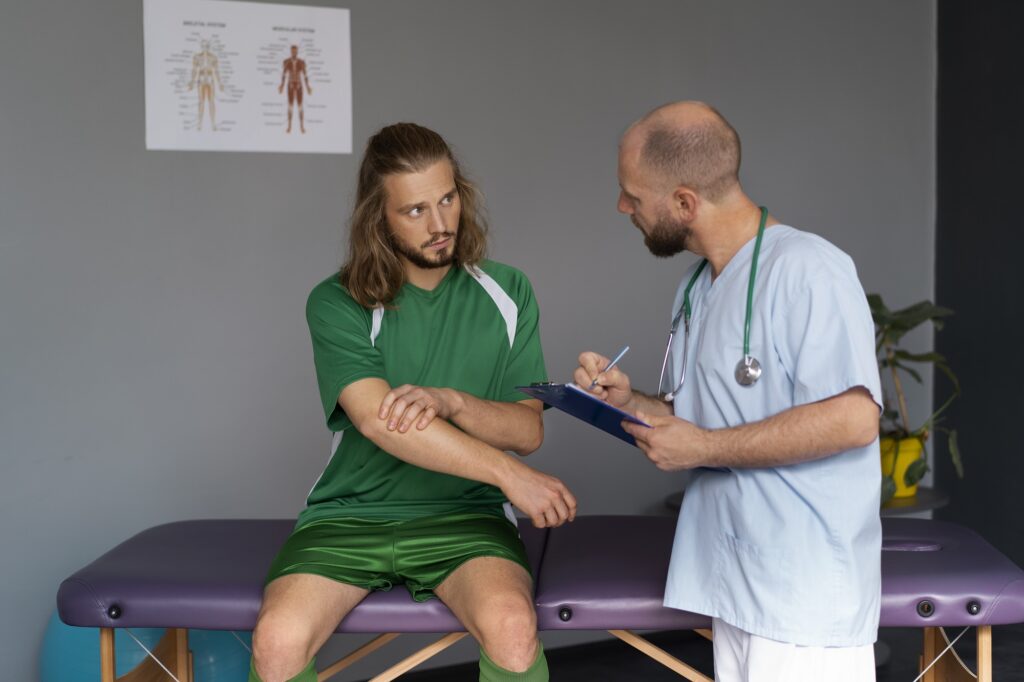
Pain can be a significant barrier to rehabilitation. It can limit your range of motion and discourage you from engaging in physical therapy sessions, which are crucial for recovery. By managing pain effectively, you can focus on regaining strength and mobility without the constant distraction of discomfort. Consulting the best physiotherapist in Islamabad can further support this process, allowing for more productive therapy sessions and a faster return to normal activities.
Moreover, effective pain management can prevent complications such as muscle atrophy and joint stiffness. By controlling pain, you can maintain a more active lifestyle, which is essential for overall health and well-being. Therefore, incorporating pain management into your rehabilitation plan is critical for achieving a successful recovery.
Common Pain Management Strategies for Ligament Tear Recovery
Several pain management strategies can be employed during ligament tear treatment. These strategies can be categorized into pharmacological and non-pharmacological approaches, each offering unique benefits. Understanding these options allows you to make informed decisions about your rehabilitation journey.
1. Pharmacological Approaches:
- Over-the-counter pain relievers: Non-steroidal anti-inflammatory drugs (NSAIDs) like ibuprofen can help reduce pain and swelling.
- Prescription medications: In some cases, stronger pain medications may be prescribed by a doctor to manage severe pain.
- Topical analgesics: Creams or gels applied directly to the skin can provide localized pain relief.
2. Non-Pharmacological Approaches:
- Physical therapy: Engaging in therapeutic exercises can help alleviate pain while strengthening the joint.
- Ice and heat therapy: Applying ice or heat to the affected area can reduce inflammation and soothe discomfort.
- Mindfulness techniques: Practices like meditation and deep breathing can help manage pain perception and reduce stress.
Selecting the right combination of strategies depends on the severity of your injury and your personal preferences. Collaborating with healthcare professionals can ensure that you receive a tailored pain management plan that suits your needs.
The Role of Physical Therapy in Pain Management
Physical therapy plays a significant role in managing pain during ligament tear rehabilitation. It involves exercises and techniques designed to restore function, reduce pain, and prevent future injuries. A physical therapist will assess your condition and create a personalized plan that targets your specific needs.
One of the primary goals of physical therapy is to strengthen the muscles around the injured ligament. This support can help stabilize the joint and alleviate pain. Exercises may include range-of-motion activities, stretching, and strengthening exercises. Over time, these exercises can improve joint function and reduce discomfort.
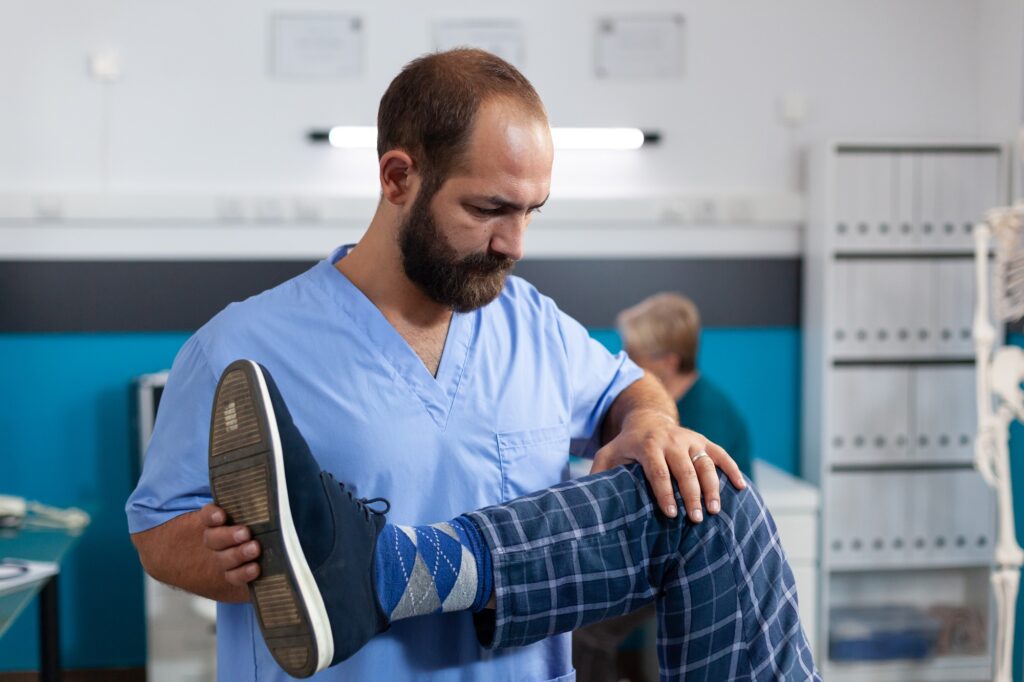
Additionally, physical therapy can include modalities such as ultrasound, electrical stimulation, and manual therapy. These techniques can further enhance pain relief and promote healing. By actively participating in a physical therapy program, you can significantly improve your recovery outcomes and reduce the risk of recurrent injuries.
Medication Options for Pain Relief: What You Need to Know
Medications are a common component of pain management for ligament tear rehabilitation. They can provide significant relief, allowing you to engage more effectively in recovery activities. Understanding your medication options is essential for making informed decisions about your treatment.
1. Over-the-Counter Medications:
- NSAIDs: Drugs like ibuprofen and naproxen are widely used to reduce inflammation and pain. They are typically the first line of treatment for mild to moderate pain.
- Acetaminophen: This medication can be used to relieve pain but does not have anti-inflammatory properties.
2. Prescription Medications:
- Opioids: In cases of severe pain, doctors may prescribe opioids for short-term use. Due to their potential for addiction, they are used with caution.
- Muscle relaxants: These can be prescribed to relieve muscle spasms associated with ligament tears.
While medications can be highly effective, they should be used as part of a comprehensive pain management plan. It is crucial to follow your healthcare provider’s guidance regarding dosage and duration to minimize side effects and prevent dependency.

Non-Pharmacological Approaches to Pain Management
Non-pharmacological approaches to pain management are essential components of a holistic rehabilitation plan. They offer alternative ways to alleviate pain without the use of medications, reducing the risk of side effects and dependency. These approaches can be used alone or in combination with pharmacological methods.
1. Ice and Heat Therapy:
- Ice therapy: Applying ice packs to the injured area can reduce inflammation and numb pain.
- Heat therapy: Using heat pads can relax muscles and improve blood flow, aiding in pain relief.
2. Mindfulness and Relaxation Techniques:
- Meditation: Regular practice can help manage pain perception and improve mental resilience.
- Deep breathing exercises: These can reduce stress and promote relaxation, easing pain.
3. Physical Activity and Exercises:
- Low-impact activities: Swimming or cycling can maintain fitness without straining the injured ligament.
- Strengthening exercises: Targeted exercises can support the joint and reduce pain.
Incorporating these non-pharmacological methods into your routine can enhance your recovery experience, providing comprehensive support for both physical and mental well-being.
The Benefits of Ice and Heat Therapy in Rehabilitation
Ice and heat therapy are simple yet effective techniques for managing pain during ligament tear rehabilitation. They offer immediate relief and can be easily incorporated into your daily routine. Understanding when and how to use these therapies can maximize their benefits.
Ice Therapy: Applying ice to the injured area can help reduce swelling and numb the pain. It is most effective during the initial stages of injury when inflammation is prominent. Ice therapy should be applied for 15-20 minutes every few hours, ensuring a barrier like a cloth between the ice and skin to prevent frostbite.
Heat Therapy: Heat therapy is beneficial during later stages of recovery when stiffness and muscle tension are present. Applying heat can relax muscles and improve blood circulation, facilitating healing. Heat pads or warm towels can be used for 15-20 minutes, providing soothing relief.
Alternating between ice and heat therapy can offer comprehensive pain management, addressing both inflammation and muscle tension. By understanding the appropriate timing and method for each, you can enhance your rehabilitation efforts effectively.
Incorporating Strengthening Exercises in Pain Management
Strengthening exercises are a cornerstone of effective pain management for ligament tear rehabilitation. By building the muscles around the injured area, you can provide better support to the joint, reducing pain and preventing further injury. These exercises should be tailored to your specific injury and recovery stage.
Benefits of Strengthening Exercises:
- Improved joint stability: Stronger muscles can better stabilize the joint, reducing strain on the ligament.
- Enhanced mobility: Regular exercises can improve your range of motion, allowing for more comfortable movements.
- Reduced pain: As strength and stability increase, pain levels typically decrease.
Examples of Strengthening Exercises:
- Resistance band exercises: These can target specific muscles without putting undue stress on the joint.
- Bodyweight exercises: Squats or lunges can strengthen the legs and core, supporting the knee and ankle.
- Balance training: Activities like standing on one leg can improve proprioception and joint stability.
It’s essential to work with a physical therapist to ensure exercises are performed correctly and are appropriate for your recovery stage. This approach will help you achieve the best possible outcomes while minimizing the risk of re-injury.
Mindfulness and Relaxation Techniques for Pain Relief
Mindfulness and relaxation techniques can significantly enhance pain relief during ligament tear rehabilitation. These practices focus on mental well-being, helping you manage pain perception and reduce stress, which can exacerbate discomfort. Incorporating these techniques into your routine can complement physical rehabilitation efforts.
Benefits of Mindfulness and Relaxation:
- Reduced stress: Techniques like meditation and deep breathing can lower stress levels, which can otherwise intensify pain.
- Improved focus: Mindfulness practices increase awareness of your body, allowing you to respond to pain more effectively.
- Enhanced recovery: Mental relaxation can promote overall healing by reducing tension and supporting a positive mindset.
Techniques to Try:
- Guided meditation: Listening to guided sessions can help you relax and focus on healing.
- Progressive muscle relaxation: This technique involves tensing and relaxing different muscle groups, promoting overall relaxation.
- Visualization: Imagining a peaceful setting can distract from pain and induce a state of calm.
By dedicating time to mindfulness and relaxation, you can create a more balanced approach to rehabilitation, supporting both your physical and mental health.
When to Seek Professional Help for Pain Management
Knowing when to seek professional help for pain management is crucial in ligament tear rehabilitation. While many pain management strategies can be implemented independently, there are situations where expert guidance is necessary to ensure effective recovery.
Signs You Need Professional Help:
- Persistent pain: If your pain does not improve with self-care measures, it may indicate a need for medical intervention.
- Limited mobility: Inability to perform daily activities or engage in rehabilitation exercises warrants a professional assessment.
- Worsening symptoms: If pain or swelling increases, it could signal complications that require medical attention.
Types of Professional Assistance:
- Physical therapy: A therapist can provide targeted exercises and modalities to enhance pain relief.
- Medical evaluation: A doctor can assess your condition and recommend appropriate treatments, including medication or surgery if needed.
- Pain management specialist: These professionals can offer advanced techniques and therapies for chronic pain management.
Seeking professional help ensures that you receive a comprehensive evaluation and tailored treatment plan, promoting optimal recovery and minimizing the risk of long-term complications.
Conclusion: A Holistic Approach to Ligament Tear Rehabilitation
A holistic approach to ligament tear rehabilitation integrates various pain management strategies to support recovery effectively. By combining pharmacological and non-pharmacological methods, you can address both physical and mental aspects of pain, enhancing your overall well-being.
Key Elements of a Holistic Approach:
- Personalized treatment: Tailored plans that consider your specific injury, lifestyle, and preferences.
- Integrated strategies: Combining medication, physical therapy, and mindfulness techniques for comprehensive pain management.
- Continuous evaluation: Regular assessments to adjust your rehabilitation plan as needed for optimal results.
Incorporating these elements into your recovery journey can lead to a more successful rehabilitation experience, allowing you to regain mobility and return to your favorite activities with confidence.