
Knee injuries usually result from a combination of factors, often involving physical strain or trauma. Common causes include overuse, sudden twists, and direct impacts. Additionally, age and prior knee issues can exacerbate the likelihood of injury. Recognizing these elements can help you identify potential risks.
Several risk factors contribute to the likelihood of knee injuries. Poor physical conditioning and improper technique during physical activities are significant contributors, especially in sports related injuries. Furthermore, individuals who are overweight place additional stress on their knees, increasing the risk of damage. Understanding these elements can guide you in making healthier lifestyle choices to protect your knees.
Environmental factors also play a role in knee injuries. Slippery or uneven surfaces can lead to falls, resulting in acute knee injuries. By being aware of your surroundings and taking necessary precautions, such as using handrails on stairs, you can minimize the risk of environmental-related knee injuries.
Importance of Knee Injury Prevention
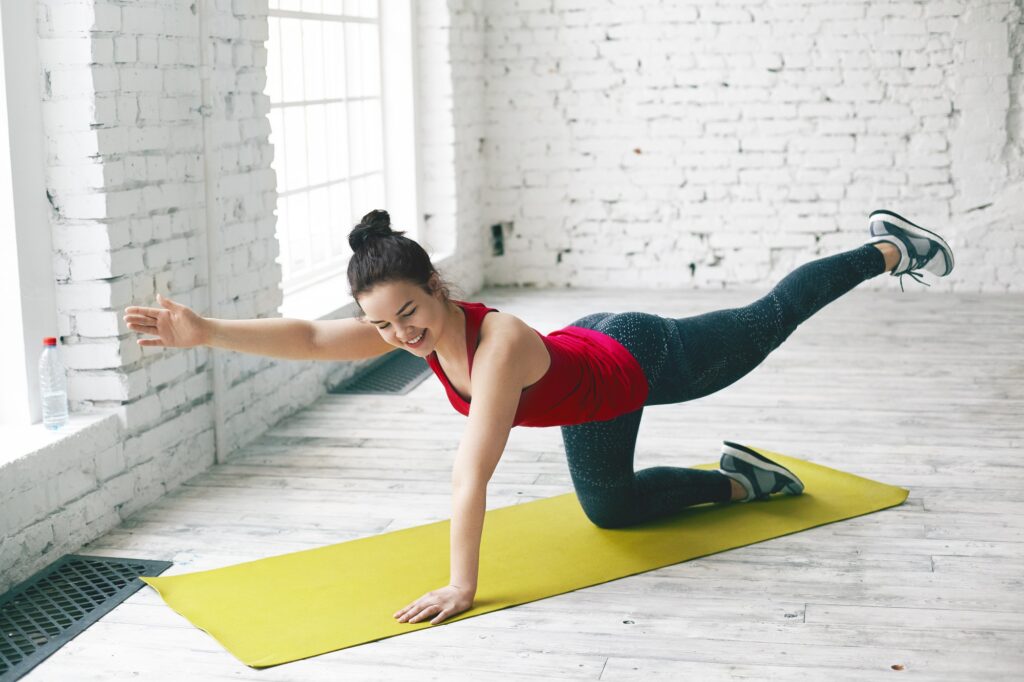
The importance of preventing knee injuries cannot be overstated. Knee injuries often require lengthy recovery times, which can impact your daily life and limit your ability to engage in physical activities, and in some cases may contribute to long-term conditions such as osteoarthritis knee. By taking preventive measures, you can maintain your quality of life and continue to participate in activities you enjoy.
Preventing knee injuries is also cost-effective. Medical treatments for knee injuries, such as surgeries or physical therapy, can be expensive. By investing time in prevention strategies, you can avoid these costs and reduce the financial burden associated with knee injuries.
Moreover, avoiding knee injuries contributes to overall health and well-being. A healthy knee supports mobility and independence, especially as you age. By prioritizing knee health, you ensure that you can stay active and enjoy a healthier lifestyle.
Essential Warm-Up Exercises for Knee Health
Warming up before engaging in physical activities is crucial for knee health, especially in the context of athletic performance training. Proper warm-up exercises prepare your muscles and joints, reducing the risk of injury. Spend at least 10-15 minutes warming up with exercises like walking or cycling at a moderate pace before more intense activities.
Dynamic stretching is an effective way to warm up your knees. Incorporate exercises such as leg swings, butt kicks, and high knees into your routine. These activities increase blood flow to the knee area, enhancing flexibility and readiness for more strenuous movements.
Incorporating balance exercises into your warm-up routine can also benefit your knees. Single-leg stands or balance boards help strengthen the muscles around the knee, providing better support and stability. Consistently practicing these exercises can reduce the risk of knee injuries over time.
Proper Footwear: How It Affects Your Knees
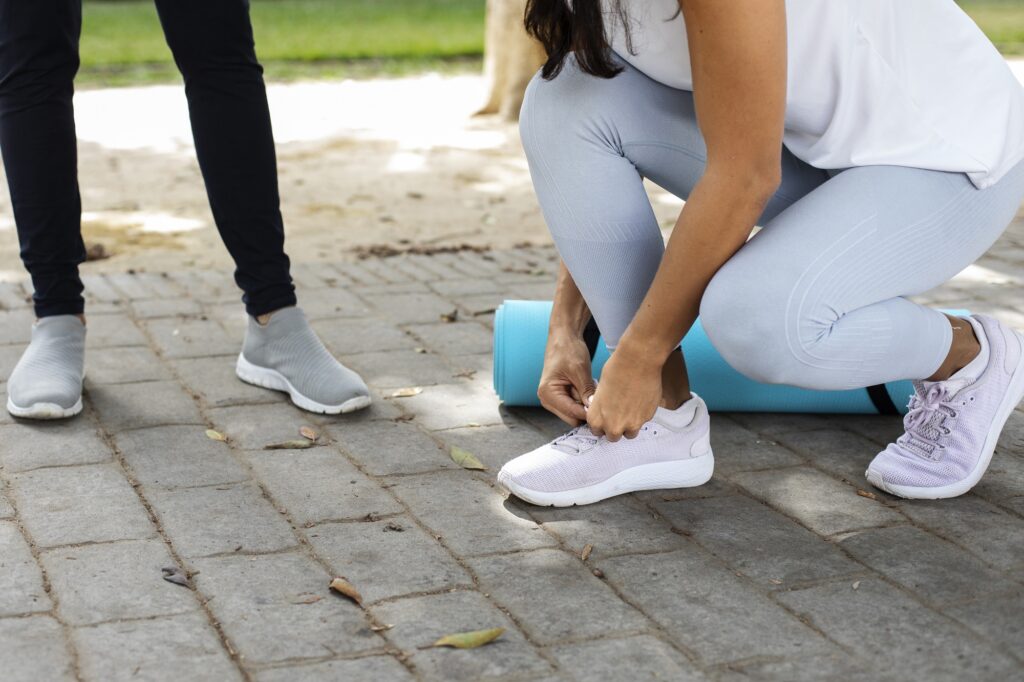
The footwear you choose can significantly impact knee health. Supportive and well-cushioned shoes absorb shock and reduce stress on your knees. When selecting shoes, consider the specific activities you engage in and choose footwear designed for those purposes.
Shoes with proper arch support and cushioning can prevent knee injuries by promoting correct alignment of the foot and leg. Ill-fitting shoes can lead to imbalances, causing undue strain on your knees. Regularly replace worn-out shoes to ensure continued support and protection.
For those with specific foot conditions, custom orthotics may be beneficial. These inserts can correct imbalances and improve alignment, providing additional support to your knees. Consult with a podiatrist to determine if orthotics are appropriate for your needs.
Strengthening Exercises to Support Knee Stability
Strengthening exercises play a vital role in preventing knee injuries. Building strong muscles around the knee provides stability and support, reducing the likelihood of injury. Incorporate exercises that target the quadriceps, hamstrings, and calf muscles into your fitness routine.
Squats and lunges are effective exercises for strengthening the muscles around the knee. Ensure proper form by keeping your knees aligned with your toes and avoiding overextension. Gradually increase intensity and repetitions to build strength without overstraining your muscles.
Resistance training can also enhance knee stability. Use resistance bands or weights to perform leg presses, hamstring curls, and calf raises. These exercises can improve muscle tone and strength, providing better support to your knee joints during daily activities.
Stretching Techniques to Enhance Flexibility
Flexibility is a key component of knee health, and regular stretching can enhance your range of motion. Stretching the muscles around your knee keeps them flexible and less prone to injury. Incorporate stretching into your daily routine to maintain and improve knee flexibility.
Static stretches, such as standing quadriceps and hamstring stretches, are beneficial for maintaining knee flexibility. Hold each stretch for 20-30 seconds, ensuring that you feel a gentle pull without discomfort. Consistent stretching helps maintain muscle elasticity and joint mobility.
Consider incorporating yoga or pilates into your exercise regimen. These practices emphasize flexibility, balance, and core strength, all of which contribute to knee health. Regular participation in these activities can improve your overall flexibility and reduce the risk of knee injuries.
Tips for Safe Movements in Daily Activities
Safe movement practices are essential for preventing knee injuries in everyday life. Be mindful of your posture and body mechanics when performing tasks, such as lifting heavy objects or bending. Use your legs rather than your back to lift, keeping your knees slightly bent.
When climbing stairs, use the handrail for support and take one step at a time. Avoid rushing, as haste can lead to missteps and potential injuries. Similarly, when descending, keep your body centered and control your movements to minimize stress on your knees.
Incorporate ergonomic practices into your daily routine. Adjust your workspace to promote good posture, and take frequent breaks to move and stretch. These practices reduce strain on your knees and contribute to overall joint health.
Recognizing Early Signs of Knee Problems
Being aware of the early signs of knee problems allows you to address issues before they escalate. Common indicators include persistent pain, swelling, and reduced range of motion. If you experience these symptoms, it’s important to pay attention and take action.
Other warning signs include clicking or popping sounds in the knee, instability, and difficulty bearing weight. These symptoms can indicate underlying issues that require medical attention. Early intervention can prevent further damage and facilitate quicker recovery.
Keeping a journal of your symptoms can be helpful when discussing concerns with healthcare professionals. Note any patterns or triggers that worsen your symptoms, as this information can guide your treatment plan and prevent future knee injuries.
When to Seek Professional Help for Knee Pain
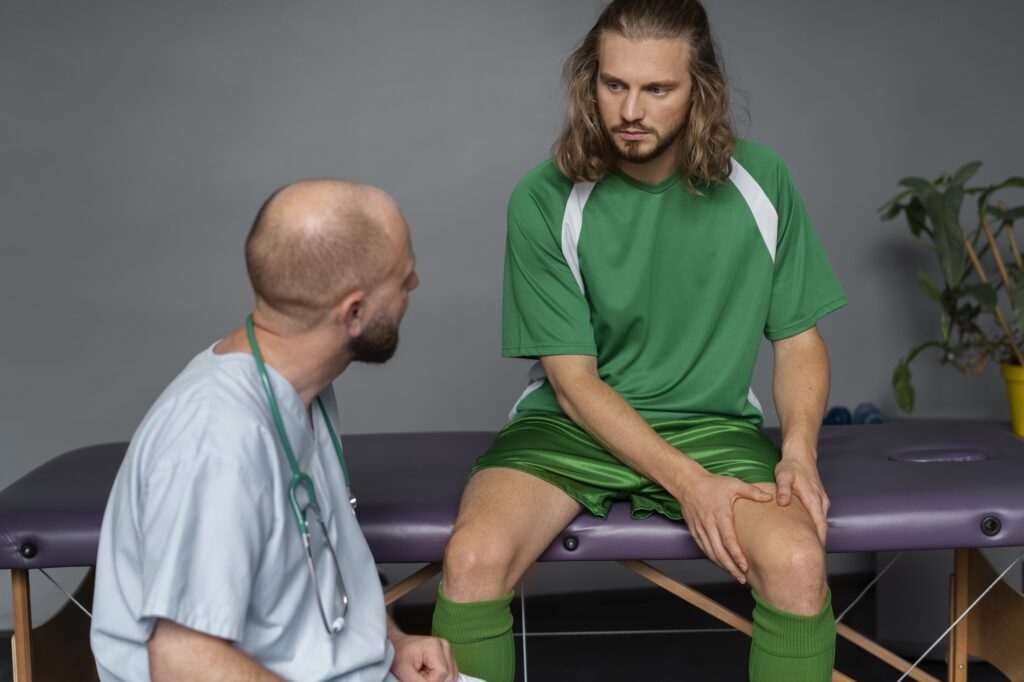
If knee pain persists despite self-care measures, it’s crucial to seek professional help. Healthcare providers, such as orthopedic specialists or physical therapists, can assess your condition and recommend appropriate treatments. Early diagnosis can prevent further complications and promote healing.
Professional evaluation is necessary if you experience severe pain, significant swelling, or inability to move your knee. These symptoms may indicate a more serious injury, such as a ligament tear or fracture, requiring medical intervention.
Consulting a healthcare provider can also provide guidance on rehabilitation exercises and lifestyle modifications. Professional advice ensures that you receive personalized care and support to improve knee health and prevent future injuries.
Conclusion: Emphasizing the Importance of Knee Injury Prevention
In conclusion, preventing knee injuries is essential for maintaining an active and healthy lifestyle. By understanding the causes and risk factors, you can take proactive steps to protect your knees. Incorporating warm-up exercises, choosing proper footwear, and engaging in strengthening and stretching activities contribute to knee stability and flexibility.
Safe movement practices and early recognition of symptoms are also crucial for preventing knee injuries. When necessary, seek professional help to ensure proper diagnosis and treatment. By prioritizing knee health, you enhance your overall well-being and enjoy a full, active life.