
In the realm of rehabilitation and pain management, understanding the nuances between active and passive therapy is critical to achieving optimal results. Active therapy involves exercises designed to improve strength, flexibility, and function. In contrast, passive therapy includes treatments such as heat, ice, and electrotherapy that aim to alleviate pain and inflammation without active participation from the patient. Recognizing when and how to use these therapies can significantly impact your recovery process.
Both active and passive therapies play vital roles in rehabilitation and pain management. However, their effectiveness can vary depending on the individual’s condition, goals, and personal preferences. By exploring the distinctions between these therapies, you can make informed decisions that enhance your healing journey. Consulting the best physiotherapist in Islamabad can also help you determine which approach is most suitable for your specific rehabilitation needs.
Defining Active Therapy: Exercises and Their Benefits
Active therapy, a cornerstone of physical rehabilitation, encompasses a variety of exercises tailored to improve mobility, strength, and overall physical function. These exercises are designed to engage you actively, requiring your participation to achieve desired results. Unlike passive therapies, active therapy emphasizes movement and cardiovascular improvement, which are crucial for long-term health benefits.
The primary benefits of active therapy include enhanced muscle strength, improved flexibility, and increased endurance. Engaging in regular exercise as part of active therapy can lead to better posture, reduced risk of injury, and quicker recovery times. Choosing the best strength training approach for your individual needs can further support these benefits. Additionally, active therapy often contributes to better mental health by releasing endorphins, which can alleviate symptoms of depression and anxiety.
Active therapy exercises can be customized to address specific conditions or injuries. For example, strength training might be prescribed for someone recovering from a knee injury, while stretching exercises could be beneficial for those with chronic lower back pain. By tailoring these exercises to your particular needs, active therapy provides a personalized approach to rehabilitation.
Exploring Passive Therapy: Heat, Ice, and Electrotherapy
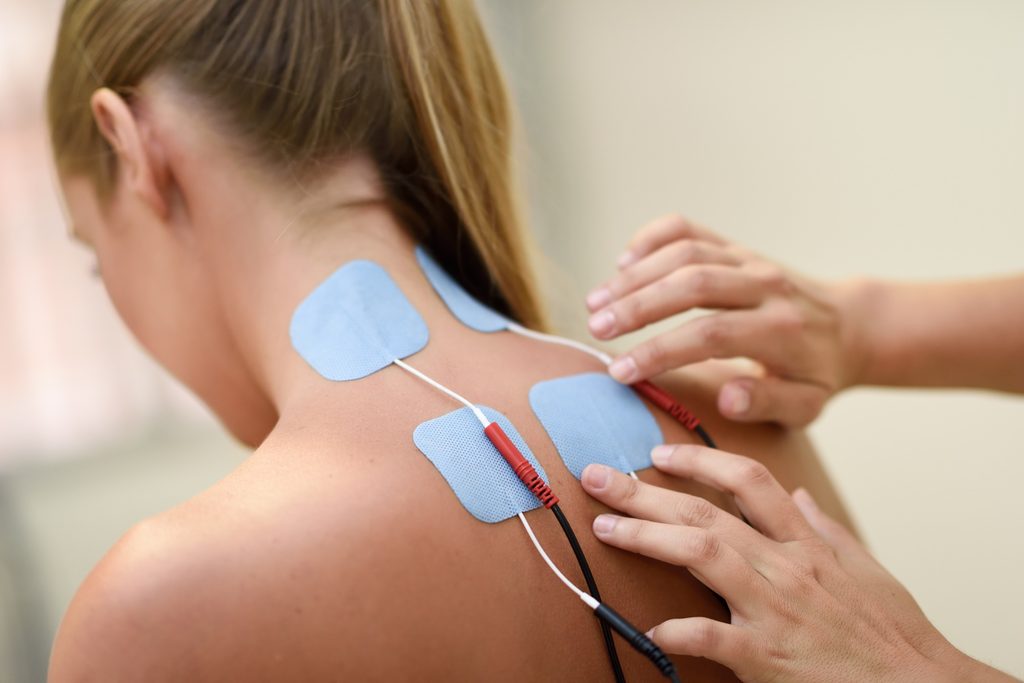
Passive therapy, on the other hand, involves treatments that do not require active participation from you. Techniques such as heat therapy, ice therapy, and electrotherapy are commonly employed to reduce pain, swelling, and muscle spasms. These therapies are often used in the early stages of rehabilitation to manage symptoms and prepare you for more active forms of treatment, particularly when recovering from an injury that may require fracture treatment.
Heat therapy works by increasing blood flow to the affected area, promoting healing and relaxation of tight muscles. Ice therapy, conversely, helps to numb pain and reduce inflammation by constricting blood vessels. Electrotherapy, which includes modalities like Transcutaneous Electrical Nerve Stimulation (TENS), utilizes electrical impulses to interfere with pain signals, providing relief without the need for medication.
The benefits of passive therapy are particularly evident in pain management. By providing immediate relief and reducing symptoms, passive therapy can make it easier for you to engage in active therapy exercises later in your rehabilitation process. It’s important to note that while passive therapy can be extremely effective, it is typically used in conjunction with active therapy to achieve the best long-term outcomes.
Key Differences Between Active and Passive Therapy
While both active and passive therapies aim to enhance recovery and manage pain, their methodologies and applications differ significantly. Understanding these differences is crucial to determining which approach is best suited for your individual needs.
- Participation: Active therapy requires your direct involvement through exercises and movement, whereas passive therapy involves treatments applied to you, such as heat or ice packs and electrical stimulation.
- Goals: The primary aim of active therapy is to improve physical function and prevent future injuries through strength and flexibility exercises. In contrast, passive therapy focuses on immediate pain relief and reducing inflammation.
- Approach: Active therapy is often long-term and preventive, helping to build a foundation for sustained health. Passive therapy tends to be more immediate and symptomatic, addressing pain and discomfort in the short term.
By understanding these differences, you can better appreciate how each therapy type can contribute to your recovery process. While passive therapy can offer quick relief, active therapy is essential for achieving long-lasting health improvements.
Benefits of Active Therapy for Rehabilitation
Active therapy is particularly beneficial for rehabilitation, as it focuses on restoring full function to the injured or affected area. Through a structured exercise program, active therapy helps you regain strength, flexibility, and coordination, which are all critical for returning to your daily activities.
Engaging in active therapy can prevent the loss of muscle mass and joint stiffness, which are common issues during periods of inactivity due to injury. By promoting regular movement and exercise, active therapy ensures that your body maintains its physical capabilities, reducing the risk of further injury. Additionally, active therapy can help improve balance and proprioception, which are essential for preventing falls and enhancing overall mobility.
Active therapy also plays a significant role in cardiovascular health. Regular exercises, such as aerobic workouts, not only improve heart health but also increase lung capacity and endurance. This holistic approach ensures that your entire body benefits from active therapy, leading to a more comprehensive recovery.

Advantages of Passive Therapy in Pain Management
Passive therapy offers significant advantages in managing pain, particularly in acute or post-operative scenarios where immediate relief is required. By using modalities like heat, ice, and electrotherapy, passive therapy can quickly alleviate discomfort and make it easier for you to engage in more active forms of rehabilitation.
Heat therapy is particularly effective for muscle relaxation and reducing stiffness, making it ideal for conditions such as muscle spasms or chronic arthritis. Conversely, ice therapy is beneficial for reducing swelling and numbing acute pain, which is often necessary in the initial phases of an injury. Electrotherapy can provide targeted pain relief by blocking pain signals, offering a non-invasive alternative to pain medications.
The ability of passive therapy to provide rapid symptom relief makes it an invaluable tool in pain management. It can be particularly useful for those who are unable to participate in active therapy due to severe pain or mobility limitations. By reducing symptoms, passive therapy can serve as a stepping stone toward more active rehabilitation methods.
When to Use Active Therapy vs. Passive Therapy
Deciding when to use active versus passive therapy depends on several factors, including the nature of your condition, your pain levels, and your overall rehabilitation goals. Both therapies have their place within a comprehensive treatment plan, and their use often overlaps during different stages of recovery.
Active Therapy is generally recommended when:
- You have the ability to participate in exercises without exacerbating your condition.
- The goal is to improve long-term physical function and prevent future injuries.
- You are transitioning from the acute phase of an injury to a more rehabilitation-focused phase.
Passive Therapy is more appropriate when:
- You are experiencing acute pain or inflammation that limits your ability to move.
- The objective is to provide immediate symptom relief and prepare for active therapy.
- You are in the early stages of injury recovery where movement could be detrimental.
By understanding these guidelines, you can work with healthcare professionals to determine the appropriate balance of active and passive therapies to support your recovery journey.
Combining Active and Passive Therapy for Optimal Results
Combining active and passive therapies can offer a comprehensive approach to rehabilitation and pain management. By integrating both methods, you can benefit from the strengths of each, leading to more effective and efficient recovery. This combination can be particularly beneficial in chronic conditions or complex injuries that require a multifaceted treatment strategy.
A typical approach might involve starting with passive therapy to manage pain and inflammation, followed by a gradual introduction of active therapy to restore function and strength. This progression prepares you to exercise safely without risking further injury or discomfort. As your condition improves, active therapy can take on a more prominent role, with passive therapy used as needed for symptom management.
Healthcare providers often recommend this integrated approach, as it allows for a tailored treatment plan that addresses both immediate and long-term health goals. By leveraging the benefits of both therapy types, you can achieve a more balanced and sustainable recovery.
Expert Recommendations on Choosing the Right Therapy
Choosing the right therapy requires careful consideration of your specific needs and circumstances. Medical professionals, such as physical therapists and physicians, can provide expert guidance based on their assessment of your condition and rehabilitation goals. You should communicate openly with your healthcare team to ensure they take your concerns and preferences into account.

Experts generally recommend starting with a thorough evaluation to determine the underlying causes of your pain or dysfunction. This assessment will help identify whether active or passive therapy, or a combination of both, is the most appropriate course of action. Your personal goals, such as returning to a specific sport or activity, will also influence the recommended treatment plan.
Regular follow-ups with your healthcare provider can help monitor your progress and make necessary adjustments to your therapy regimen. By staying informed and actively participating in your treatment plan, you can make well-informed decisions that best support your path to recovery.
Conclusion: Making Informed Decisions About Your Therapy Options
Understanding the key differences between active and passive therapy empowers you to make informed decisions about your rehabilitation and pain management strategies. By recognizing the unique benefits and applications of each therapy type, you can work with healthcare providers to develop a treatment plan that aligns with your individual needs and goals.
Whether you are recovering from an injury, managing a chronic condition, or seeking to enhance your overall physical function, both active and passive therapies have valuable roles to play. By combining these approaches, you can achieve a more comprehensive and effective recovery, ultimately leading to improved health and well-being.