
As a parent or educator, you might not always consider the weight of a child’s backpack as a significant concern. However, it plays a crucial role in their health and development. The amount of weight your child carries on their back every day can have lasting effects on their posture, spine health, and overall well-being.
In recent years, studies have indicated a dramatic rise in musculoskeletal issues among children, often linked to carrying heavy backpacks. Considering the developing bodies of children, even seemingly minor weight discrepancies can lead to upper back pain, chronic pain, or long-term issues. By exploring this topic, you can gain insights into how to protect your child’s health and ensure their backpack is both functional and safe.
The effects of backpack weight extend beyond physical health and can influence a child’s psychological and academic performance. When children are comfortable and free from pain, they are more likely to focus and participate actively in school activities. Thus, understanding the impact of backpack weight is vital for fostering a supportive and healthy learning environment.
The Importance of Proper Backpack Weight
Maintaining the correct backpack weight is essential to prevent potential health issues. Experts recommend that a child’s backpack should not weigh more than 10-15% of their body weight. This guideline ensures that the load is manageable and doesn’t strain the child’s developing body, helping to prevent posture problems and back pain.
When a backpack exceeds this recommended weight, it can cause a child to lean forward to compensate for the extra load, which can lead to misalignment of the spine. Over time, this improper posture can result in chronic back and neck pain, muscle strain, and even nerve damage. In severe cases, prolonged spinal stress may increase the risk of complications such as spinal cord injury, making it crucial to monitor the weight of your child’s backpack and ensure proper posture.
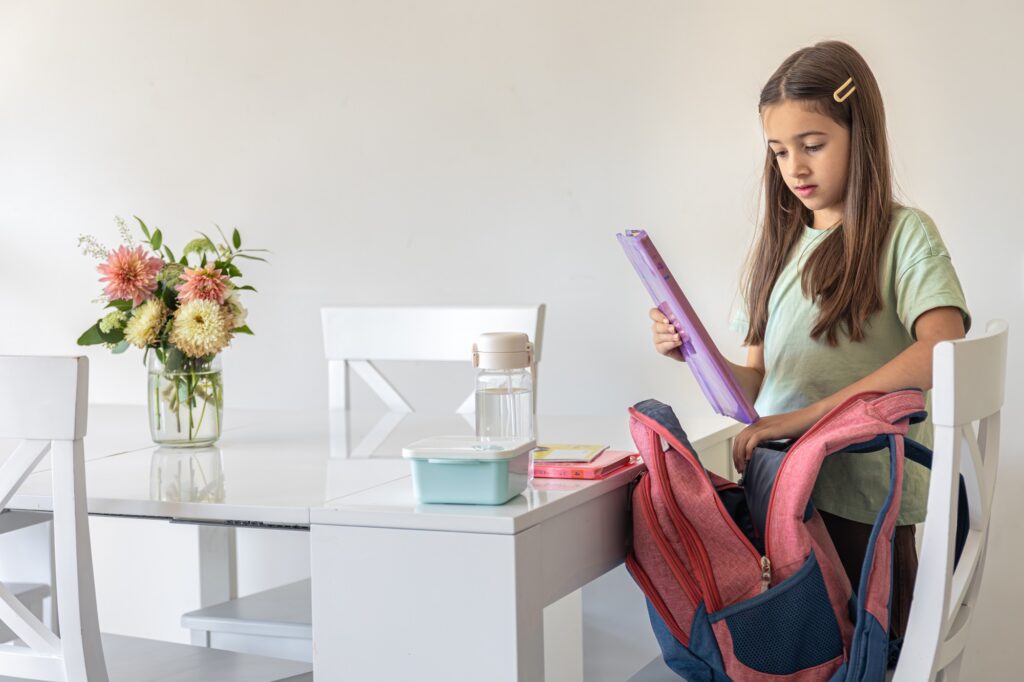
In addition to physical health, a heavy backpack can also impact your child’s mental well-being. Carrying an excessively heavy backpack can lead to fatigue and decreased energy levels, affecting their ability to concentrate and perform well in school. By ensuring the backpack weight is appropriate, you can help your child maintain their energy and focus throughout the day.
Common Health Issues Related to Heavy Backpacks
Heavy backpacks are associated with various health issues, particularly affecting the musculoskeletal system. One of the most common problems is back pain, which can occur due to the strain placed on the spine and muscles. This pain can range from mild discomfort to severe, chronic conditions that require medical attention.
In addition to back pain, children carrying heavy backpacks may experience shoulder pain and poor posture. The straps of a heavy backpack can dig into the shoulders, leading to discomfort and potential nerve damage. Furthermore, the weight can cause children to adopt a hunched posture, which can have long-term implications on their spine health if not addressed early. If shoulder discomfort and stiffness persist over time, seeking appropriate frozen shoulder treatment may help improve mobility and reduce related symptoms.
Moreover, heavy backpacks can exacerbate existing conditions such as scoliosis, a curvature of the spine. Children with scoliosis are particularly at risk, as the added weight can worsen their condition. By managing backpack weight, you can help mitigate these issues and support your child’s overall health.
Guidelines for Optimal Backpack Weight
To ensure your child’s backpack is within the optimal weight range, follow these guidelines:
- Weigh the Backpack Regularly: Use a scale to check the weight of your child’s backpack periodically. Ensure it does not exceed 10-15% of their body weight.
- Pack Essentials Only: Encourage your child to carry only what is necessary for the day. Excess items can add unnecessary weight, so it’s important to regularly review the contents of the backpack.
- Distribute Weight Evenly: Use compartments to distribute the weight evenly within the backpack. Heavier items should be placed closest to the child’s back for better balance and support.
- Use Both Straps: Ensure your child uses both shoulder straps to distribute the weight evenly across their body. This helps prevent injury and promotes better posture.
- Adjust the Straps: The backpack should fit snugly against your child’s back. Adjust the straps so the backpack sits evenly in the middle of the back, not too low.
By adhering to these guidelines, you can significantly reduce the risk of health issues related to heavy backpacks and promote a healthier lifestyle for your child.
Recommendations for Choosing the Right Backpack
Selecting the right backpack is crucial in ensuring your child’s comfort and safety. Here are some key features to consider:
- Size and Fit: Choose a backpack that fits your child’s body size. It should rest comfortably on their back without hanging too low.
- Padded Straps and Back: Opt for backpacks with padded shoulder straps and back panels to provide cushioning and prevent discomfort.
- Multiple Compartments: A backpack with several compartments helps distribute the weight evenly and keeps items organized.
- Lightweight Material: Select a backpack made of lightweight yet durable materials to reduce the overall weight.
- Reflective Features: For added safety, especially if your child walks to school, consider backpacks with reflective material or patches to enhance visibility.
By carefully selecting a backpack with these features, you can ensure your child carries their school essentials comfortably and safely.
The Role of Schools in Promoting Backpack Safety
Schools play a pivotal role in promoting backpack safety and fostering healthy habits among students. They can implement several measures to ensure students are not overburdened by heavy backpacks:
- Locker Accessibility: Schools should provide ample locker space and encourage students to use it to store books and materials not needed for immediate use.
- Homework Policies: Teachers can coordinate to ensure students are not overloaded with homework, thus reducing the need to carry multiple textbooks home each day.
- Backpack Safety Education: Schools can organize workshops or informational sessions to educate students and parents about the importance of backpack safety and ways to achieve it.
- Regular Monitoring: Staff can periodically check backpack weights and offer guidance to students on how to reduce their load effectively.
By integrating these practices, schools can contribute significantly to reducing the health risks associated with heavy backpacks and promote a culture of safety and awareness.
Tips for Parents to Help Manage Backpack Weight
As a parent, you can take proactive steps to manage your child’s backpack weight and ensure their well-being:
- Conduct Regular Checks: Periodically review the contents of your child’s backpack to ensure they are carrying only what is necessary.
- Communicate with Teachers: Stay in touch with teachers to understand the requirements for textbooks and materials, and discuss any concerns about excessive weight.
- Promote Efficient Packing: Teach your child how to pack their backpack efficiently, using compartments to balance the weight and placing heavier items closer to the back.
- Encourage Use of Lockers: If available, encourage your child to use school lockers to store items that are not immediately needed.
- Invest in a Quality Backpack: Choose a well-designed, supportive backpack that fits your child’s needs and comfort level.
By implementing these strategies, you can help your child maintain a healthy balance in their daily school routine and reduce the risk of backpack-related health issues.
Benefits of Lightening the Load: Impact on Development
Reducing the weight of your child’s backpack can have a profound impact on their physical development and overall well-being. A lighter load means less strain on their growing bodies, which can prevent the development of back pain and improve posture.

A manageable backpack weight also leads to increased energy levels and better concentration in school. Without the distraction of discomfort or fatigue, children are more likely to engage actively in classroom activities and achieve their academic potential.
Moreover, prioritizing backpack safety instills lifelong habits of health awareness and self-care. By teaching your child to manage their backpack weight effectively, you help them develop a sense of responsibility for their own health and well-being.
Conclusion: Prioritizing Health through Proper Backpack Management
In conclusion, the weight of a child’s backpack is a critical factor in their health and development. By understanding the risks associated with heavy backpacks and implementing strategies to manage their weight, you can help ensure your child’s well-being and foster a supportive learning environment.
As a call to action, consider discussing backpack safety with your child’s school and other parents to raise awareness and promote healthier practices. Together, you can make a significant difference in the lives of children by prioritizing their health through proper backpack management.