Neuroplasticity is a remarkable ability of the brain to adapt and reorganize itself by forming new neural connections. This adaptability plays a critical role in recovery, especially after an injury. When a part of the brain is damaged, neuroplasticity enables other parts to compensate for the lost functions, facilitating recovery and adaptation.
In the context of movement, neuroplasticity allows the brain to relearn and refine motor skills that may have been affected by an injury. Whether it’s a stroke, traumatic brain injury, or spinal cord damage, neuroplasticity is the underlying mechanism that helps restore movement. Understanding this process is crucial for developing effective rehabilitation strategies, a principle often emphasized by the best physiotherapist in Islamabad during recovery-focused treatment plans.
Moreover, this concept is not only vital for recovery but also for continuous learning and adaptation throughout life. By harnessing the power of neuroplasticity, you can improve your cognitive and physical abilities, emphasizing the brain’s potential for lifelong development.
The Science Behind Brain Relearning Movement
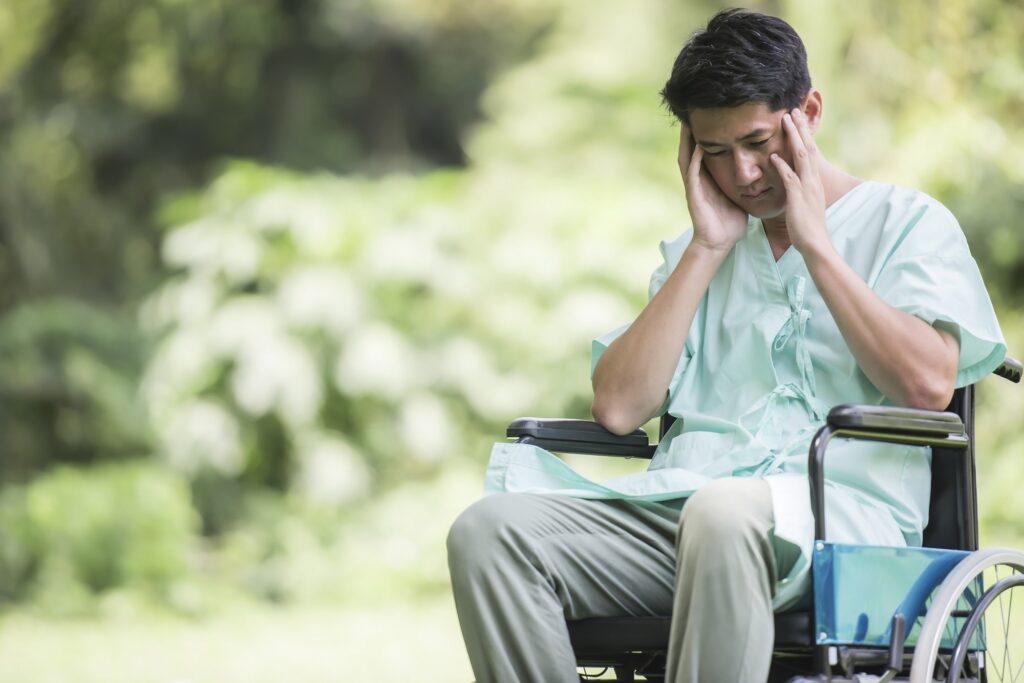
The process of relearning movement is deeply rooted in the brain’s ability to reorganize itself. When an injury occurs, the brain undergoes structural and functional changes to compensate for lost abilities. This involves the growth of new neurons and synapses, which form pathways that help restore motor functions.
Neuroplasticity is driven by several factors, including repetition, practice, and feedback. Consistent practice of specific movements, including strength training exercises, can strengthen neural pathways, making them more efficient. Feedback, whether intrinsic or extrinsic, helps refine these movements by correcting errors and reinforcing successful attempts.
Research has shown that the brain is most plastic during certain periods, such as early childhood and following an injury. This heightened plasticity provides a window of opportunity for intensive rehabilitation, allowing for significant improvements in motor skills. By understanding and leveraging these scientific principles, you can enhance recovery and regain movement more effectively.
Common Injuries and Their Impact on Movement
Various injuries can affect movement by disrupting the brain’s ability to control and coordinate the body. Some common injuries include strokes, traumatic brain injuries (TBI), and spinal cord injury (SCI). Each of these has unique characteristics and implications for movement recovery.
- Stroke: Often resulting from a blockage or rupture of blood vessels in the brain, strokes can lead to hemiplegia or weakness on one side of the body. This affects coordination, balance, and fine motor skills, making daily activities challenging.
- Traumatic Brain Injury (TBI): TBIs are caused by external forces impacting the brain. Depending on the severity, TBIs can result in difficulties with coordination, balance, and movement control, affecting both gross and fine motor skills.
- Spinal Cord Injury (SCI): Damage to the spinal cord can disrupt the communication between the brain and the rest of the body. This can lead to paralysis or loss of sensation, severely impacting movement and requiring specialized rehabilitation approaches.
Understanding the specific impact of these injuries on movement is crucial for tailoring rehabilitation programs that leverage neuroplasticity effectively. By identifying the affected areas, you can focus on exercises and therapies that target those specific deficits.
The Stages of Recovery: How Neuroplasticity Helps
Recovery from an injury typically follows a series of stages, each supported by neuroplasticity. Understanding these stages can help you set realistic goals and expectations during rehabilitation.
- Acute Phase: This initial stage occurs immediately after the injury. The brain is in a heightened state of plasticity, making it an ideal time for intensive rehabilitation. Early intervention can prevent secondary complications and lay the groundwork for recovery.
- Subacute Phase: During this stage, the brain continues to reorganize itself, and you may notice significant improvements in movement. Consistent practice and therapy are crucial, as they reinforce new neural pathways and help regain lost skills.
- Chronic Phase: In the chronic phase, progress may slow down, but neuroplasticity still plays a key role. Long-term rehabilitation strategies focus on maintaining and refining the skills acquired in previous stages, ensuring continued improvement.
By understanding the stages of recovery, you can better appreciate the dynamic process of neuroplasticity and its role in regaining movement. This knowledge empowers you to actively participate in your rehabilitation journey, maximizing the potential for recovery.
Techniques to Facilitate Neuroplasticity in Rehabilitation
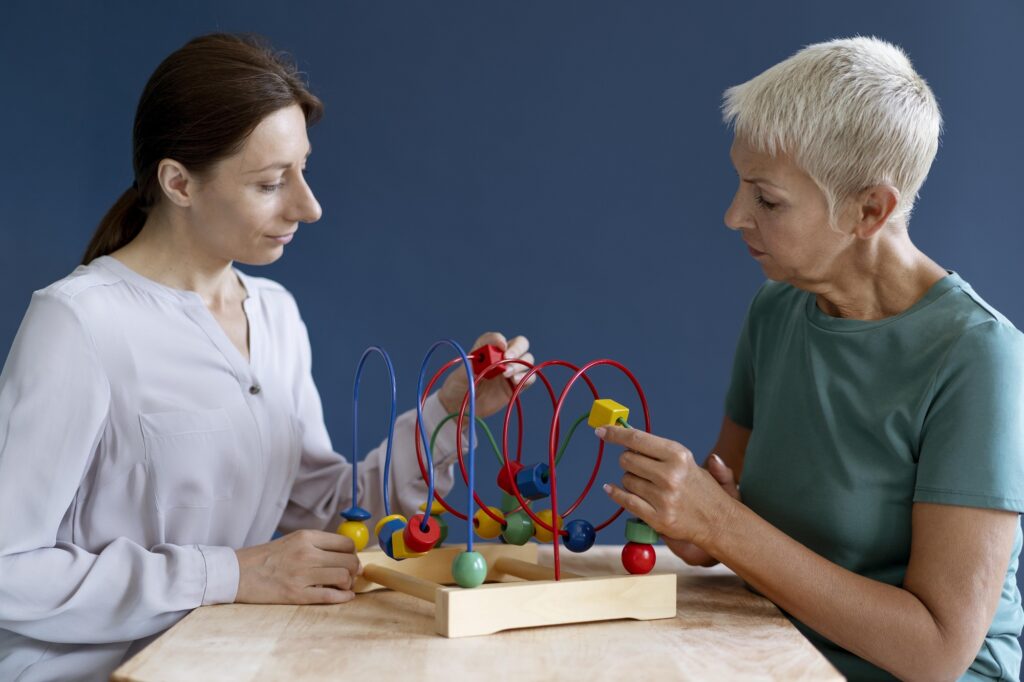
Various techniques can enhance neuroplasticity, aiding in the recovery of movement. These approaches are designed to stimulate the brain, encouraging it to form new pathways and connections.
- Repetitive Task Practice: Engaging in repetitive tasks helps reinforce neural pathways. By consistently practicing specific movements, you can improve coordination and control, facilitating recovery.
- Constraint-Induced Movement Therapy (CIMT): This technique involves restricting the use of the unaffected limb, forcing the brain to adapt by using the affected limb. CIMT has been shown to enhance neuroplasticity and improve motor function.
- Mirror Therapy: By using a mirror to create the illusion of movement in the affected limb, mirror therapy can activate brain areas responsible for motor control, promoting recovery through visual feedback.
- Virtual Reality (VR) Training: Immersive VR environments provide engaging and motivating platforms for practicing movement. VR can simulate real-world scenarios, offering opportunities for repeated practice and feedback.
Incorporating these techniques into your rehabilitation program can accelerate recovery by capitalizing on the brain’s ability to adapt and change. Tailoring these methods to your specific needs can enhance their effectiveness, leading to better outcomes.
The Importance of Physical Therapy in Movement Recovery
Physical therapy is a cornerstone of rehabilitation, playing a pivotal role in restoring movement and function. It combines various techniques to promote neuroplasticity and aid recovery.
Physical therapists design individualized treatment plans that target specific movement deficits. These plans often include exercises to improve strength, flexibility, and coordination, all of which are essential for regaining function. By focusing on these areas, physical therapy enhances the brain’s capacity to reorganize and adapt.
Additionally, physical therapy provides valuable feedback and support, helping you understand and correct movement patterns. This guidance is crucial for reinforcing new neural pathways and ensuring that progress is maintained. The collaborative nature of physical therapy fosters a supportive environment, encouraging you to stay motivated and committed to your recovery goals.
The Role of Patient Mindset in Recovery Through Neuroplasticity
Your mindset plays a significant role in the recovery process, influencing how effectively you harness neuroplasticity. A positive and proactive attitude can enhance motivation, perseverance, and resilience, all of which are crucial for successful rehabilitation.
Believing in your ability to recover and embracing the challenges of rehabilitation can foster a growth mindset. This perspective encourages you to view setbacks as opportunities for learning and improvement, rather than insurmountable obstacles. A growth mindset can lead to increased engagement in therapy and a greater willingness to explore new strategies for recovery.
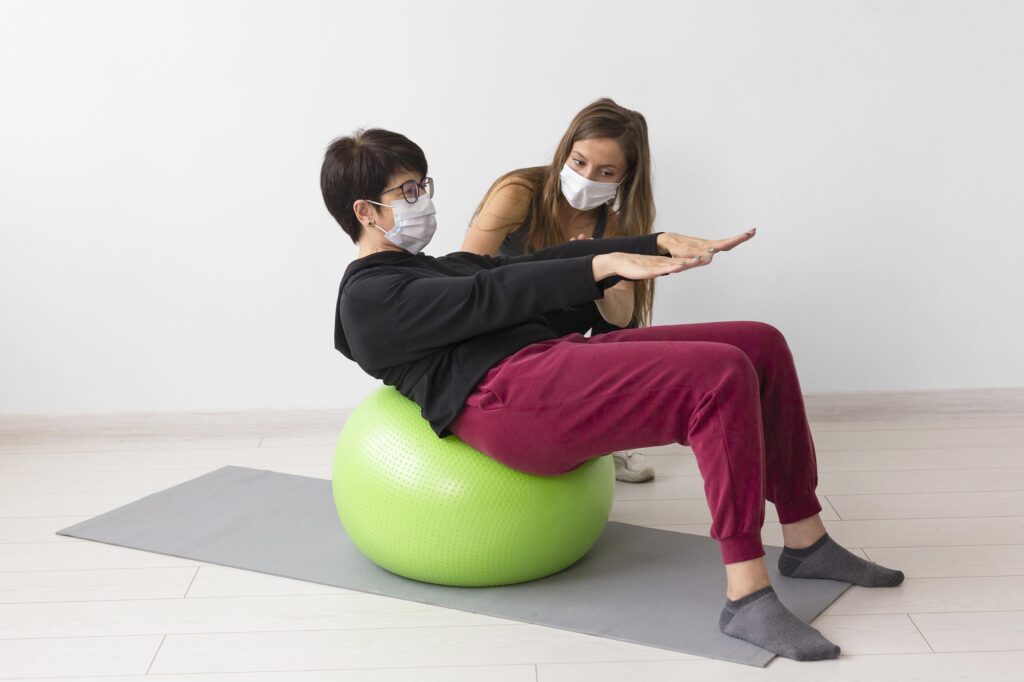
Moreover, mental health and emotional well-being are closely linked to neuroplasticity. Stress and anxiety can hinder the brain’s ability to adapt, while a positive mental state can enhance its plasticity. By prioritizing self-care and seeking support when needed, you can create an optimal environment for recovery, maximizing the potential for regaining movement.
Future Research and Innovations in Neuroplasticity and Recovery
The field of neuroplasticity is rapidly evolving, with ongoing research and innovations offering new insights into recovery. Scientists are exploring novel approaches to enhance neuroplasticity, aiming to develop more effective rehabilitation strategies.
Emerging technologies, such as brain-computer interfaces (BCIs) and neuromodulation techniques, hold promise for improving movement recovery. BCIs can translate brain signals into commands, allowing for direct control of devices and facilitating communication between the brain and external aids. Neuromodulation techniques, such as transcranial magnetic stimulation (TMS), can enhance brain plasticity by modulating neural activity.
Additionally, personalized medicine approaches are gaining traction, emphasizing the importance of tailoring rehabilitation strategies to individual needs. By considering factors such as genetics, injury characteristics, and lifestyle, personalized rehabilitation programs can optimize recovery outcomes.
These advancements highlight the potential for transformative changes in the field of neuroplasticity and recovery. Staying informed about these developments can empower you to explore new possibilities for enhancing your rehabilitation journey.
Conclusion: Embracing the Journey of Recovery
Recovery from an injury is a complex and challenging journey that requires patience, perseverance, and resilience. By understanding the principles of neuroplasticity and leveraging its potential, you can enhance your ability to regain movement and function.
Embracing the recovery process involves recognizing the importance of early intervention, consistent practice, and a positive mindset. By actively engaging in rehabilitation and exploring innovative techniques, you can maximize the potential for recovery, leading to a more fulfilling and independent life.
If you or a loved one is navigating the path to recovery, consider reaching out to healthcare professionals who specialize in neuroplasticity and rehabilitation. Their expertise can guide you through the process, helping you unlock the full potential of your brain’s ability to relearn and adapt.