
Headaches are a common ailment that can significantly impact your daily life. Among the various types, cervicogenic headaches and migraines are often confused due to overlapping symptoms. Understanding the differences between these two can help you seek the appropriate treatment and find relief.
Cervicogenic headache originate from problems in the neck or cervical spine. These headaches can be debilitating, affecting your ability to perform daily tasks. Conversely, migraines are a neurological condition that causes intense, throbbing pain and often triggers nausea, vomiting, and sensitivity to light or sound.
Defining Cervicogenic Headaches
Cervicogenic headaches are primarily caused by issues in the cervical spine, which includes the neck’s vertebrae, muscles, and nerves. They are often referred to as secondary headaches because they result from another underlying condition, such as neck injuries, arthritis, or poor posture.

These headaches usually start at the base of your skull and can radiate towards the front of your head, often affecting one side. The pain is often steady and dull, unlike the pulsating pain associated with migraines. You may also experience neck stiffness or reduced range of motion, which can exacerbate the headache.
Diagnosing cervicogenic headaches can be challenging since they mimic other types of headaches. However, a thorough medical examination, including physical tests and imaging studies, can help identify the root cause. Seeking appropriate cervicogenic headache treatment and addressing the underlying neck pathology is crucial in alleviating these headaches.
Understanding Migraines
Migraines are a complex neurological disorder that affects millions worldwide. Unlike cervicogenic headaches, migraines are primary headaches, meaning they are not caused by another medical condition. They are characterized by intense, throbbing pain, usually on one side of the head, and can last from a few hours to several days.
Migraines are often accompanied by additional symptoms such as nausea, vomiting, and heightened sensitivity to light, sound, or smells. Some individuals experience visual disturbances, known as auras, before the onset of a migraine. These auras can include flashing lights, blind spots, or tingling sensations, and in some cases, individuals may seek support from a chiropractor in Islamabad for related neck or spine issues.
The exact cause of migraines remains elusive, but they are believed to result from abnormal brain activity affecting nerve signals, chemicals, and blood vessels. Genetic predisposition and environmental factors can also play a role in triggering migraines, making them a complex condition to manage.
Key Differences Between Cervicogenic Headaches and Migraines
Understanding the key differences between cervicogenic headaches and migraines is vital for accurate diagnosis and treatment. Here are some distinct characteristics:
| Feature | Cervicogenic Headaches | Migraines |
| Origin | Neck issues | Neurological |
| Pain Location | Base of skull to front of head | One side of head (usually) |
| Pain Type | Steady, dull | Throbbing, pulsating |
| Accompanying Symptoms | Neck stiffness | Nausea, vomiting, sensitivity |
| Duration | Varies | Few hours to several days |
Cervicogenic headaches stem from neck-related problems, whereas migraines are neurological. The pain location and type differ, with cervicogenic headaches causing steady, dull pain and migraines causing throbbing, pulsating pain. Accompanying symptoms also vary, with cervicogenic headaches often involving neck stiffness, while migraines include nausea and sensitivity to light or sound.
Symptoms of Cervicogenic Headaches
Identifying the symptoms of cervicogenic headaches can help differentiate them from other types of headaches. The primary symptom is a continuous, dull ache starting from the back of the head and moving towards the forehead.
You may also experience neck pain or discomfort, often worsening with specific neck movements or positions. This is because the headache is directly linked to the cervical spine’s dysfunction. Other symptoms can include shoulder pain, arm pain, or reduced range of motion in your neck.
It’s crucial to note that cervicogenic headaches can be aggravated by factors such as poor posture, prolonged sitting, or physical strain. Recognizing these symptoms can guide you in seeking the right treatment and lifestyle modifications to reduce the frequency and intensity of these headaches.
Symptoms of Migraines
Migraines manifest through a range of symptoms that can vary from person to person. The hallmark feature is a severe, throbbing headache, often on one side of the head. This pain is typically exacerbated by physical activity and can last from a few hours to several days.
Additional symptoms can include nausea, vomiting, and extreme sensitivity to light, sound, or smells. Some individuals may experience auras before the headache, involving visual disturbances or sensory changes. These symptoms can significantly impact your ability to function normally during a migraine attack.
Understanding these symptoms can help you identify a migraine early and take preventive measures. Keeping a headache diary can be a valuable tool in tracking symptoms, identifying triggers, and discussing them with a healthcare provider for a tailored treatment plan.

Causes of Cervicogenic Headaches
Cervicogenic headaches are primarily caused by disorders in the cervical spine. Common causes include:
- Neck Injuries: Whiplash or other trauma to the neck can lead to cervicogenic headaches.
- Degenerative Conditions: Arthritis or degenerative disc disease in the neck can contribute to these headaches.
- Poor Posture: Prolonged poor posture can strain the neck and lead to muscle tension and headaches.
These headaches are secondary to underlying neck issues, making it essential to address the root cause for effective treatment. Physical therapy, posture correction, and ergonomic adjustments can help alleviate these headaches by targeting the cervical spine.
Triggers of Migraines
Migraines can be triggered by various factors, which can differ from person to person. Common triggers include:
- Stress: Emotional stress can lead to migraine attacks.
- Dietary Factors: Certain foods and drinks, such as caffeine, alcohol, and processed foods, can trigger migraines.
- Environmental Changes: Changes in weather or altitude can be potential triggers.
Identifying and avoiding triggers is a critical step in managing migraines. Keeping a migraine diary can help you recognize patterns and reduce the frequency of attacks. Discussing these triggers with a healthcare professional can guide you in developing an effective management plan.
Diagnosis: How to Differentiate Between the Two
Differentiating between cervicogenic headaches and migraines is crucial for effective treatment. A comprehensive medical evaluation is essential for accurate diagnosis. This includes a detailed medical history, physical examination, and possibly imaging studies or nerve blocks.
For cervicogenic headaches, tests may focus on identifying neck-related issues, such as muscle tenderness or limited range of motion. Imaging studies like X-rays or MRIs can help visualize cervical spine abnormalities.
On the other hand, diagnosing migraines involves assessing the pattern and symptoms of headaches. Neurological tests may be conducted to rule out other conditions. An accurate diagnosis allows for a customized treatment plan, addressing the specific type of headache you experience.
Treatment Options for Cervicogenic Headaches
Treating cervicogenic headaches involves addressing the underlying neck issues. Here are some common treatment options:
- Physical Therapy: Exercises to improve neck strength and flexibility can reduce headache frequency.
- Medication: Pain relievers or muscle relaxants may be prescribed to manage symptoms.
- Lifestyle Modifications: Ergonomic adjustments and posture correction can help alleviate neck strain.
These treatments aim to target the root cause of cervicogenic headaches, providing relief and preventing recurrence. Collaborating with healthcare professionals can ensure you receive a personalized treatment plan that addresses your specific needs.
Treatment Options for Migraines
Managing migraines requires a multifaceted approach, often involving medication and lifestyle changes. Common treatment options include:
- Acute Medications: Pain relievers or triptans can be used to treat acute migraine attacks.
- Preventive Medications: These are taken regularly to reduce the frequency and severity of migraines.
- Lifestyle Adjustments: Regular exercise, stress management, and dietary changes can help prevent migraines.
Effective migraine management involves identifying and avoiding triggers, using medications appropriately, and adopting a healthy lifestyle. Consulting with a healthcare provider can help you develop a comprehensive management plan tailored to your condition.
When to Seek Professional Help
While occasional headaches are common, persistent or severe headaches warrant professional evaluation. You should seek medical help if:
- Headaches are frequent and disrupt daily activities.
- Over-the-counter medications do not provide relief.
- You experience neurological symptoms, such as visual disturbances or numbness.
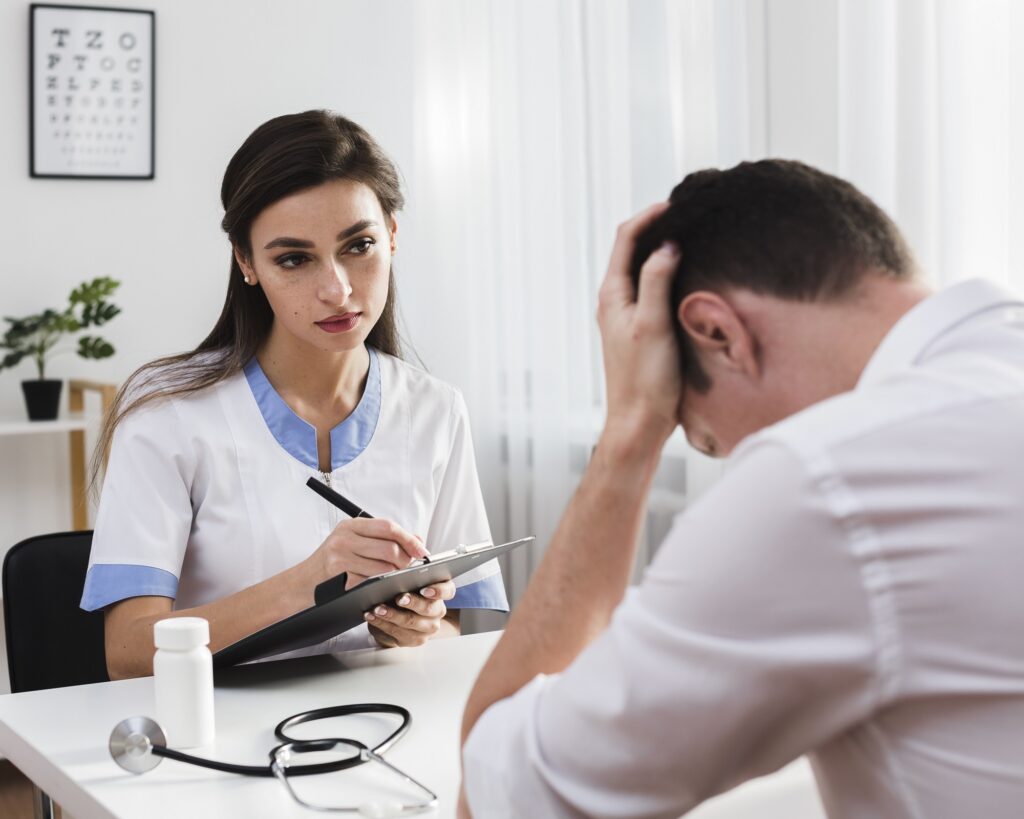
Seeking timely professional help can ensure an accurate diagnosis and effective treatment, improving your quality of life. A healthcare provider can guide you in identifying the type of headache you have and recommend appropriate interventions.
Conclusion: Managing Headache Disorders
Understanding the distinct differences between cervicogenic headaches and migraines is crucial for effective management. By identifying the specific type of headache you experience, you can adopt targeted treatment strategies to alleviate symptoms and prevent recurrence.
Both cervicogenic headaches and migraines require individualized treatment plans, often involving a combination of medication, lifestyle modifications, and therapy. Collaborating with healthcare professionals can help you develop a comprehensive management plan that addresses your unique needs and enhances your overall well-being.
If you find yourself struggling with persistent headaches, don’t hesitate to seek professional guidance. With the right approach, you can take control of your headache disorder and improve your quality of life.