
Understanding the Impact of Sedentary Lifestyles
In today’s fast-paced world, many people find themselves leading sedentary lifestyles, spending long hours at desks and evenings on the couch with minimal physical movement. This lack of activity has serious consequences for health, affecting cardiovascular fitness as well as mental well-being.
Prolonged inactivity is linked to higher levels of stress, anxiety, and depression, largely due to reduced release of endorphins that normally occur during physical activity, often leading individuals to seek support from a physiotherapist in islamabad. Beyond personal health, sedentary lifestyles have wider societal and economic impacts. Rising healthcare costs are associated with inactivity-related conditions such as obesity, heart disease, and diabetes.
Employers also experience reduced productivity and increased absenteeism. Understanding the full impact of sedentary behavior is therefore essential not only for individual health but also for overall societal well-being.
The Risks Associated with Prolonged Sitting
Prolonged sitting, a common result of sedentary lifestyles, poses serious risks to health. Sitting for extended periods causes muscles, especially in the lower back and legs, to become inactive, often resulting in a stiff neck. This can lead to muscle atrophy, poor circulation, and an increased risk of blood clots. These effects extend beyond musculoskeletal problems and negatively impact metabolic health, raising the risk of chronic diseases.
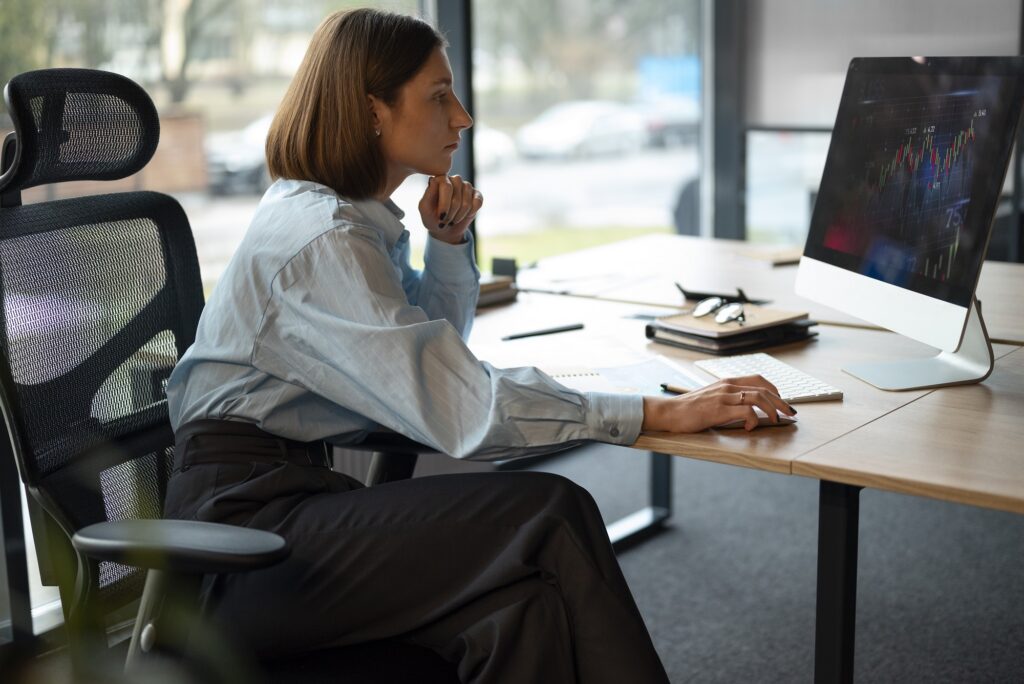
Extended sitting is strongly linked to cardiovascular disease because it slows the body’s ability to burn fat, increases cholesterol levels, and contributes to heart disease. It is also associated with insulin resistance, which can lead to type 2 diabetes. These risks highlight the importance of incorporating regular movement into daily routines.
Prolonged sitting also affects mental health by reducing cognitive function and overall well-being and can contribute to physical issues such as upper back pain. Limited physical activity decreases the release of mood-enhancing hormones, resulting in sluggishness and reduced motivation. Recognizing these risks is essential for promoting a healthier and more active lifestyle.
The Role of Physiotherapy in Mitigating Damage
Physiotherapy plays an important role in reducing the damage caused by prolonged sitting. Through targeted interventions, it helps address the physical effects of a sedentary lifestyle by restoring muscle balance and improving posture. A physiotherapist can design a personalized program to strengthen weak muscles, stretch tight areas, improve alignment, and reduce pain.
In addition to treating existing issues, physiotherapy focuses on long-term prevention. Physiotherapists guide individuals on incorporating regular movement into daily routines and provide ergonomic advice to help reduce strain, improve posture, and lower the risk of injury.
Physiotherapy also encourages a proactive approach to health by helping individuals understand their bodies and adopt healthier movement habits. This comprehensive approach not only aids recovery from prolonged sitting but also supports long-term health and overall well-being.
Key Physiotherapy Techniques for Reversing Sedentary Effects
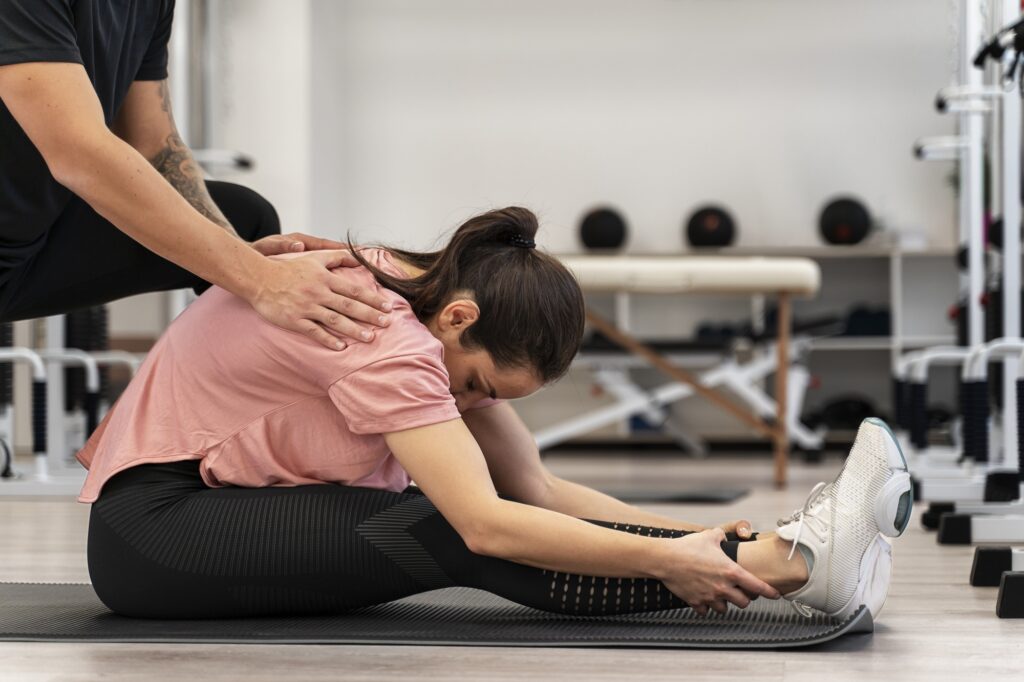
Several physiotherapy techniques can help counteract the effects of prolonged sitting by restoring balance, improving flexibility, and enhancing overall body function. One common approach is manual therapy, which uses hands-on techniques to manipulate muscles and joints, alleviating pain and restoring movement in areas prone to stiffness.
Exercise therapy is another key component. Tailored programs strengthen weak muscles, improve flexibility and cardiovascular fitness, and focus on core strength, which is essential for good posture and reducing back strain. Regular exercise therapy helps reverse muscle imbalances caused by prolonged sitting and improves overall physical health.
Physiotherapists also conduct ergonomic assessments to create a more supportive working environment. By adjusting chairs, desks, and computer setups, they help promote better posture, reduce strain, and prevent future problems, supporting a healthier and more active lifestyle.
Creating a Balanced Routine: Integrating Movement into Your Day
Integrating movement into your daily routine is essential for counteracting the effects of prolonged sitting. A balanced routine can include small, manageable changes that encourage regular activity throughout the day. For example, setting reminders to stand up and stretch every hour can reduce musculoskeletal problems and improve overall well-being.
Active commuting is another effective strategy. Walking, cycling, or using public transportation that requires some walking increases daily activity levels and promotes a healthier lifestyle.
Leisure time can also be used to stay active. Engaging in enjoyable activities such as dancing, swimming, or hiking helps maintain consistent physical activity. The key is to create a routine that fits your lifestyle and encourages regular movement.
The Importance of Posture and Ergonomics in the Workplace
Maintaining good posture and ergonomics in the workplace is important for reducing the strain caused by prolonged sitting. Proper posture keeps your muscles and joints aligned. Keep your feet flat on the floor, your back straight, and your shoulders relaxed to prevent back pain and reduce the risk of repetitive strain injuries.
Ergonomics complements posture by designing your workspace to support your body. An ergonomic chair provides lower back support, while placing your monitor at eye level and keeping your keyboard and mouse within easy reach helps reduce neck and shoulder strain.
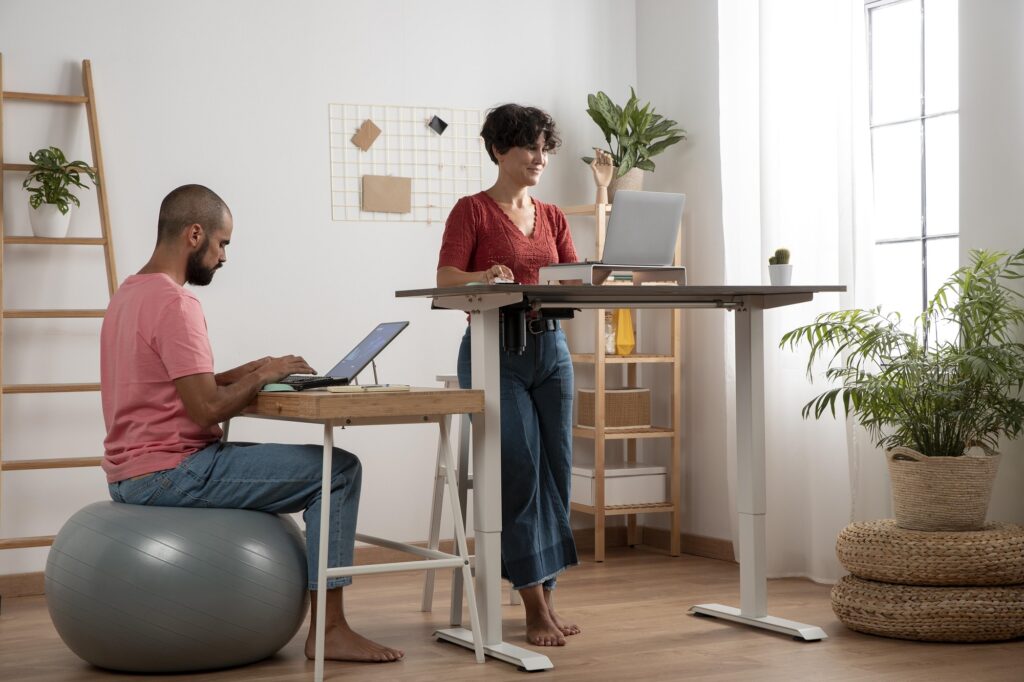
By focusing on posture and ergonomics, you can create a healthier and more comfortable workspace, improve efficiency, and support overall well-being. Making these small adjustments consistently can have a significant long-term impact on your health and productivity.
Conclusion
Taking action against sedentary living is a crucial step toward improving your health and well-being. By understanding the impact of prolonged sitting and recognizing the importance of movement, you can make informed decisions about your lifestyle. Incorporating regular physical activity, prioritizing posture and ergonomics, and seeking physiotherapy when needed are key components of a proactive approach to health.
Remember, the journey toward a more active lifestyle begins with small, manageable changes. Whether it’s taking regular breaks to stretch, incorporating active commuting, or participating in enjoyable physical activities, every step counts. By committing to these changes, you can reduce the risks associated with a sedentary lifestyle and promote overall well-being.