
Functional movement refers to exercises that mimic everyday activities to improve strength, balance, and coordination. Unlike traditional workouts that isolate specific muscles, functional movement involves multiple muscle groups working in concert, simulating real-life movements. This approach not only enhances your physical capabilities but also ensures that your body functions more efficiently in daily tasks.
At its core, functional movement is about training your body to move as it’s meant to. This method of exercise emphasizes the importance of natural movement patterns, such as lifting, squatting, pushing, pulling, and twisting. By focusing on these patterns and incorporating injury prevention exercises, you can improve your overall physical performance and reduce the risk of injury.
Incorporating functional movement into your exercise routine can also enhance your quality of life. Whether you’re an athlete looking to improve performance or someone who wants to maintain independence as you age, functional movement can help you achieve your goals. It’s about creating a body that’s not only strong but also adaptable to various physical demands.
The Science Behind Functional Movement and Physical Health
The science of functional movement is grounded in the principles of biomechanics, which studies the mechanical laws relating to the movement or structure of living organisms. By understanding how the body moves, functional movement training works to optimize these movements, ensuring that your body operates at its best. This scientific approach ensures that exercises are not only effective but also safe, reducing the likelihood of injury.
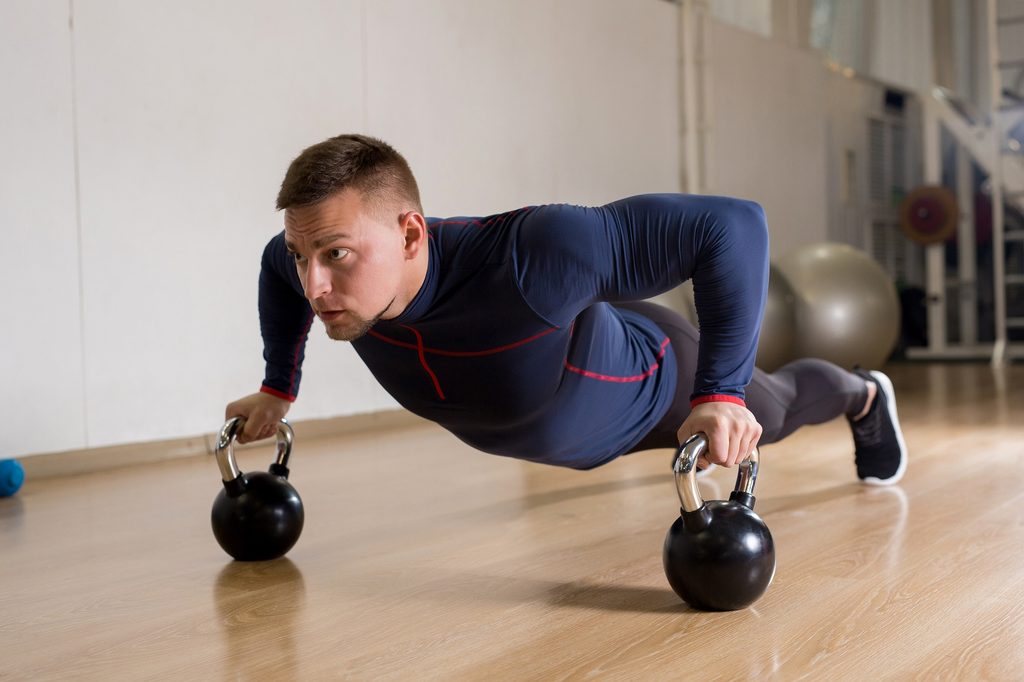
Research shows that functional movement can positively impact physical health by improving joint mobility, muscle strength, and cardiovascular endurance. These improvements are achieved through exercises that engage multiple muscle groups, promoting better coordination and balance. For individuals looking to improve movement patterns and overall physical function, consulting a chiropractor Islamabad can provide additional guidance. This holistic approach to fitness is particularly beneficial for long-term health, as it prepares the body to handle various physical stresses throughout life.
Furthermore, functional movement training has been shown to enhance neuromuscular control. This means your brain and muscles communicate more effectively, leading to more fluid and efficient movements. This improved coordination can have a profound impact on everyday activities, making tasks easier and less taxing on the body.
Key Benefits of Functional Movement for Long-Term Health
- Improved Mobility and Flexibility: Functional movement exercises enhance your body’s range of motion, making it easier to perform daily activities with ease. This increased flexibility can help prevent injuries and reduce muscle stiffness.
- Enhanced Strength and Endurance: By engaging multiple muscle groups, functional movement training builds strength and endurance. This not only helps in physical activities but also improves your overall stamina for everyday tasks.
- Injury Prevention: Functional movement focuses on strengthening the body’s core and stabilizer muscles, which are crucial for maintaining balance and preventing injuries. By reinforcing these muscles, you reduce the likelihood of strains and sprains.
- Better Posture and Balance: Regular functional movement exercises can correct postural imbalances and improve your body’s alignment. This can be particularly beneficial for individuals with cervical spondylosis, helping support better posture and balance while reducing the risk of falls and related injuries.
- Enhanced Mental Well-being: The holistic nature of functional movement training can also benefit your mental health. The focus on body awareness and control can lead to improved mental clarity and reduced stress levels.
Functional Movement Patterns and Their Importance
Functional movement patterns are the foundation of this training approach. These patterns include fundamental movements that your body performs daily. Understanding and mastering these patterns is crucial for optimizing your physical health and performance.
Key Functional Movement Patterns:
- Squatting: This pattern is essential for activities like sitting and standing. Proper squatting technique can improve your lower body strength and reduce the risk of knee and back injuries.
- Lifting and Carrying: From picking up groceries to lifting heavy boxes, this pattern is vital for everyday life. Learning proper lifting techniques can prevent back injuries and enhance upper body strength.
- Pushing and Pulling: Whether opening a door or pulling a heavy object, these movements are integral to daily activities. Strengthening the muscles involved in these patterns can improve your overall upper body function.
- Twisting: Rotational movements are common in various activities, from sports to household chores. Developing strong oblique muscles through twisting exercises can enhance your core stability.
Mastering these functional movement patterns helps you move more efficiently and reduces the risk of injury. By focusing on these patterns, you can ensure that your body is prepared for the physical demands of everyday life.
How to Incorporate Functional Movement into Your Daily Routine
Incorporating functional movement into your daily routine does not require significant time or specialized equipment. Here are some practical tips to help you get started:
- Start with Basic Exercises: Begin with simple exercises that mimic daily activities, such as bodyweight squats, lunges, and planks. These exercises can be done anywhere and require no equipment.
- Focus on Quality, Not Quantity: Pay attention to your form and technique rather than the number of repetitions. Proper form ensures that you engage the right muscles and prevent injuries.
- Use Everyday Activities as Exercise: Incorporate functional movements into your daily tasks. For example, practice good lifting techniques when picking up laundry or groceries.
- Create a Balanced Routine: Include a variety of exercises that target different muscle groups. This ensures that you develop balanced strength and flexibility throughout your body.
- Gradually Increase Intensity: As you become more comfortable with functional movement exercises, gradually increase the intensity by adding resistance or increasing the number of repetitions.
By following these tips, you can seamlessly integrate functional movement into your lifestyle, improving your physical health and well-being over time.

Common Mistakes to Avoid in Functional Movement Training
While functional movement training offers numerous benefits, it’s essential to avoid common mistakes that can hinder your progress or lead to injury. Here are some pitfalls to watch out for:
- Neglecting Proper Form: Prioritizing quantity over quality can lead to poor form and increase the risk of injury. Always focus on maintaining proper alignment and technique during exercises.
- Skipping Warm-ups: A proper warm-up is crucial for preparing your body for exercise. Skipping this step can lead to muscle strains and other injuries. Incorporate dynamic stretches and light cardio to get your body ready.
- Ignoring Core Strength: The core is the foundation of functional movement. Neglecting core exercises can lead to imbalances and increased injury risk. Include planks, bridges, and other core-strengthening exercises in your routine.
- Overtraining: While consistency is key, overtraining can lead to burnout and injury. Ensure you allow enough rest and recovery time between workouts to let your muscles repair and strengthen.
- Not Seeking Professional Guidance: If you’re new to functional movement training, consider working with a certified trainer. They can provide personalized guidance and help you develop a safe and effective routine.
By avoiding these common mistakes, you can maximize the benefits of functional movement training and reduce the risk of injury.
Functional Movement Assessments: Why They Matter
Functional movement assessments are evaluations designed to identify movement patterns and potential imbalances in your body. These assessments are crucial for developing a tailored exercise program that addresses your specific needs and goals.
Benefits of Functional Movement Assessments:
- Identifying Weaknesses and Imbalances: Assessments can pinpoint areas of weakness or imbalance, allowing you to address these issues before they lead to injury.
- Personalized Exercise Programs: Based on the assessment results, you can receive a customized exercise plan that targets your unique needs and goals.
- Tracking Progress: Regular assessments allow you to monitor your progress and adjust your exercise program as needed. This helps ensure that you’re continually challenging your body and avoiding plateaus.
Functional movement assessments are an invaluable tool for optimizing your training and achieving your fitness goals. Consider working with a certified trainer or physical therapist to conduct these assessments and develop a personalized exercise plan.
The Role of Functional Movement in Injury Prevention
Functional movement plays a vital role in injury prevention by strengthening the muscles and joints involved in everyday activities. By training your body to move efficiently and effectively, you reduce the risk of injury during physical activities.
Key Ways Functional Movement Prevents Injuries:
- Strengthening Stabilizer Muscles: Functional movement exercises target stabilizer muscles, which are crucial for maintaining balance and preventing injuries. Strong stabilizer muscles help protect joints and reduce the risk of strains and sprains.
- Improving Joint Flexibility and Mobility: Functional movement training enhances joint flexibility and mobility, reducing the risk of joint-related injuries. This is particularly important as you age and your joints naturally become stiffer.
- Enhancing Body Awareness and Coordination: By improving neuromuscular control, functional movement training enhances your body awareness and coordination. This can help you react more quickly to potential hazards, reducing the risk of falls and other accidents.
By incorporating functional movement into your exercise routine, you can build a resilient body that’s less prone to injury and better equipped to handle the physical demands of everyday life.

Conclusion: Embracing Functional Movement for a Healthier Future
Functional movement is a powerful tool for unlocking your body’s potential and improving your long-term physical health. By focusing on natural movement patterns and strengthening your body holistically, you can enhance your mobility, flexibility, and overall well-being.
Embracing functional movement means investing in your future health and ensuring that your body remains strong and adaptable through every stage of life. Whether you’re just starting your fitness journey or looking to optimize your current routine, incorporating functional movement exercises can help you achieve your goals.