Retrolisthesis is a spinal condition characterized by the backward displacement of one vertebra over the one below it. This misalignment can lead to a variety of symptoms and complications, impacting your daily life and overall health. Unlike its counterpart, spondylolisthesis, where the vertebra slips forward, retrolisthesis involves a backward slip, which can compress spinal nerves and cause significant discomfort.
Understanding the basics of this condition is crucial for both patients and practitioners. Recognizing the signs early can lead to more effective management and treatment, sometimes alongside broader approaches used in spinal cord injury treatment. While retrolisthesis is less common than other spinal disorders, its impact on quality of life can be profound, making awareness and education critical.
Whether you are experiencing symptoms yourself or are a healthcare practitioner looking to expand your knowledge, this guide will provide you with a comprehensive understanding of retrolisthesis, its causes, symptoms, and treatment options.
Understanding Grade Levels of Retrolisthesis
The severity of retrolisthesis is classified into different grades, which help in determining the extent of vertebral slippage. These grades are essential for developing an appropriate treatment plan. The classification is generally as follows:
- Grade 1: This involves a displacement of up to 25% of the vertebral body. It is the mildest form and often does not present significant symptoms.
- Grade 2: Here, the slippage is between 25% to 50%. Patients may begin to experience some discomfort and limited mobility.
- Grade 3: A displacement of 50% to 75% occurs in this grade, leading to more pronounced symptoms and potential nerve compression.
- Grade 4: This severe grade involves a slippage of 75% to 100%, often requiring surgical intervention due to significant pain and functional impairment.
Understanding these grades can assist you in determining the severity of your condition and the urgency required in seeking treatment. It’s important to consult with a healthcare professional who can accurately assess the grade of retrolisthesis and, when appropriate, suggest supportive options such as retrolisthesis exercises as part of an overall management plan.
Causes and Risk Factors of Retrolisthesis
Several factors can contribute to the development of retrolisthesis. Degenerative changes in the spine, such as those associated with aging, are a common cause. As you age, the intervertebral discs lose hydration and elasticity, increasing the likelihood of vertebral displacement.
Injuries and trauma to the spine can also lead to retrolisthesis. Accidents, falls, or direct blows to the back may result in vertebral misalignment. Additionally, underlying degenerative changes, such as cervical spondylosis, as well as certain congenital conditions or structural abnormalities of the spine, can predispose individuals to this condition.
Lifestyle factors, such as poor posture, obesity, and lack of physical activity, may exacerbate the risk. Maintaining a healthy weight, staying active, and practicing good posture can help mitigate these risks. Understanding the causes and risk factors is essential in preventing retrolisthesis and maintaining spinal health.
Symptoms of Retrolisthesis: When to Seek Help
Symptoms of retrolisthesis can vary depending on the grade and location of the slippage. Common signs include back pain, stiffness, and reduced range of motion. You might also experience muscle spasms, tingling, or numbness in the limbs if the spinal nerves are compressed.
In some cases, retrolisthesis can lead to more severe symptoms, such as difficulty walking, balance issues, or bladder and bowel dysfunction. These symptoms indicate significant nerve involvement and require prompt medical attention.
It is vital to seek help if you notice persistent or worsening symptoms. Early intervention can prevent further complications and improve your quality of life. A healthcare professional can provide a thorough evaluation and recommend appropriate diagnostic tests and treatment options.
Diagnosis of Retrolisthesis: Tests and Imaging
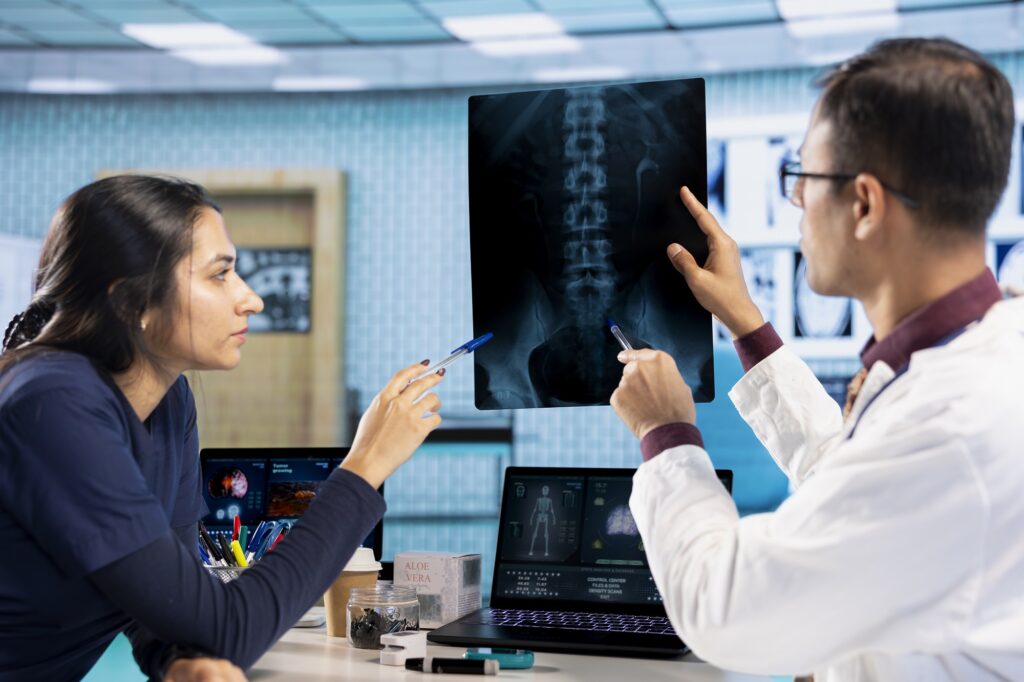
Diagnosing retrolisthesis typically involves a combination of physical examination and imaging studies. Your healthcare provider will assess your symptoms, medical history, and perform a physical exam to check for signs of spinal misalignment and nerve involvement.
Imaging studies are crucial for confirming the diagnosis and determining the grade of retrolisthesis. X-rays are often the first step, providing a clear view of the vertebral alignment. In more complex cases, advanced imaging techniques like MRI or CT scans may be necessary to assess the extent of nerve compression and soft tissue involvement.
These diagnostic tools allow practitioners to develop an accurate understanding of your condition, which is essential for formulating an effective treatment plan. Regular follow-ups and monitoring are also important to track the progression of retrolisthesis and adjust treatment as needed.
Treatment Options for Retrolisthesis
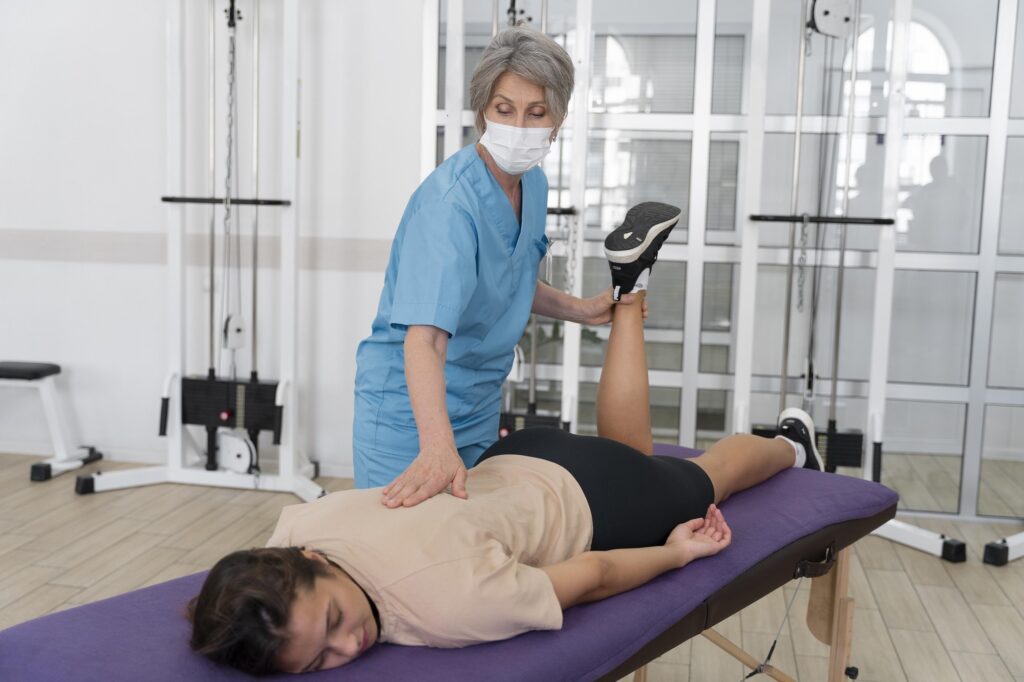
Treatment for retrolisthesis depends on the severity of the condition and the symptoms you are experiencing. For mild cases, conservative treatments such as physical therapy, pain management, and lifestyle modifications can be effective. Physical therapy focuses on strengthening the muscles around the spine, improving flexibility, and alleviating pain.
In cases where conservative treatments are not sufficient, more invasive options may be considered. These can include spinal injections to reduce inflammation and pain or, in severe cases, surgical intervention to stabilize the spine and relieve nerve compression.
Your healthcare provider will work with you to determine the best treatment approach based on your specific circumstances. It’s important to follow the prescribed treatment plan and attend regular check-ups to ensure optimal results and prevent further progression of the condition.
Prevention Strategies for Retrolisthesis
Preventing retrolisthesis involves maintaining a healthy lifestyle and taking proactive measures to protect your spine. Here are some strategies that can help:
- Exercise Regularly: Engage in activities that strengthen your core and back muscles, improve flexibility, and promote overall fitness.
- Maintain a Healthy Weight: Avoid excessive strain on your spine by keeping your weight within a healthy range.
- Practice Good Posture: Be mindful of your posture both when sitting and standing to reduce stress on your spine.
- Use Proper Lifting Techniques: When lifting heavy objects, use your legs instead of your back to prevent injury.
By incorporating these strategies into your daily routine, you can reduce the risk of developing retrolisthesis and other spinal conditions. Consult with a healthcare professional for personalized advice on maintaining spinal health.
Living with Retrolisthesis: Tips for Patients
Living with retrolisthesis can be challenging, but there are several ways to manage the condition and maintain a good quality of life. Here are some tips:
- Stay Active: Engage in low-impact exercises that help maintain flexibility and strength without putting extra strain on your spine.
- Manage Pain: Use prescribed medications, hot/cold therapy, or alternative treatments like acupuncture to manage pain effectively.
- Adopt Ergonomic Practices: Ensure your workspace and home are ergonomically designed to support your spine and prevent discomfort.
It’s important to stay informed about your condition and actively participate in your treatment plan. Regular communication with your healthcare provider will help address any concerns and adjust your management strategies as needed.

Conclusion: The Importance of Understanding Retrolisthesis
Understanding retrolisthesis is crucial for both patients and practitioners. By recognizing the symptoms, causes, and treatment options, you can take proactive steps to manage the condition effectively. Early diagnosis and intervention can prevent further complications and improve your overall well-being.Whether you are experiencing symptoms or seeking to expand your knowledge as a healthcare professional, staying informed about retrolisthesis is essential. Remember, maintaining a healthy lifestyle and seeking timely medical advice can make a significant difference in managing this condition.