
Joint-position awareness, often referred to as proprioception, is the body’s ability to perceive its position in space. This intrinsic sense is crucial for coordination and balance, allowing you to perform everyday tasks with ease and precision. Imagine walking on a narrow beam; your awareness of joint position helps you maintain balance without having to look at your feet constantly. This awareness is not limited to major body movements but extends to fine motor skills as well.
The intricate network of sensory receptors in your muscles, tendons, and joints is responsible for this awareness. These receptors send signals to your brain, which interprets them to understand the position of various body parts. This continuous feedback loop is essential for coordinating movements, whether you’re playing sports, performing household chores, or simply walking. Without proper joint-position awareness, even mundane tasks could become challenging. For those experiencing difficulties with movement or joint alignment, consulting a chiropractor in Islamabad may be one option to consider alongside appropriate assessment and care.
In the realm of rehabilitation, understanding joint-position awareness becomes even more critical. Injuries often disrupt this awareness, leading to impaired movements and delayed recovery. By focusing on enhancing proprioception, you can expedite healing and regain functional movement more effectively. The importance of this aspect in recovery cannot be overstated, as it lays the foundation for all subsequent rehabilitation efforts.
The Importance of Joint-Position Awareness in Recovery
Recovering from an injury involves much more than just healing the damaged tissue. It encompasses regaining strength, flexibility, and most importantly, joint-position awareness. This aspect is crucial because it directly affects your ability to move without pain or restriction. When joint-position awareness is compromised, you may experience difficulties in executing precise movements, increasing the risk of further injury. Incorporating injury prevention exercises into a rehabilitation routine can help improve movement control and reduce the likelihood of recurring problems.

Incorporating joint-position awareness in recovery protocols helps in restoring functional movement patterns. It ensures that you are not only rehabilitating the injured area but also retraining your brain to recognize and control the position of your joints accurately. This re-education is vital for achieving a full recovery and minimizing the chances of future injuries.
Moreover, focusing on joint-position awareness can significantly reduce recovery time. By integrating proprioceptive exercises early in the rehabilitation process, you can foster better neuromuscular control and expedite the overall healing journey. This proactive approach can be particularly useful when managing conditions such as osteoarthritis knee discomfort, helping enhance recovery outcomes and support a confident return to normal activities.
The Connection Between Joint-Position Awareness and Functional Movement
Functional movement is the ability to perform tasks with ease and efficiency, relying heavily on proper joint-position awareness. This connection is pivotal because, without accurate proprioception, movements can become awkward, inefficient, and potentially harmful. In essence, joint-position awareness acts as the guiding system that ensures all movements are executed correctly and safely.
In the context of rehabilitation, enhancing joint-position awareness directly influences your ability to perform functional movements. For instance, when recovering from a knee injury, improving proprioception will enable you to walk, squat, and climb stairs without discomfort or instability. This enhancement is crucial for not only regaining independence but also for preventing re-injury during daily activities.
Furthermore, the relationship between joint-position awareness and functional movement becomes especially significant when considering complex, multi-joint actions. Activities like running, jumping, and lifting require seamless coordination between different body parts. By honing proprioception, you ensure that these movements are fluid and coordinated, reducing the risk of strain or injury.
Techniques to Enhance Joint-Position Awareness
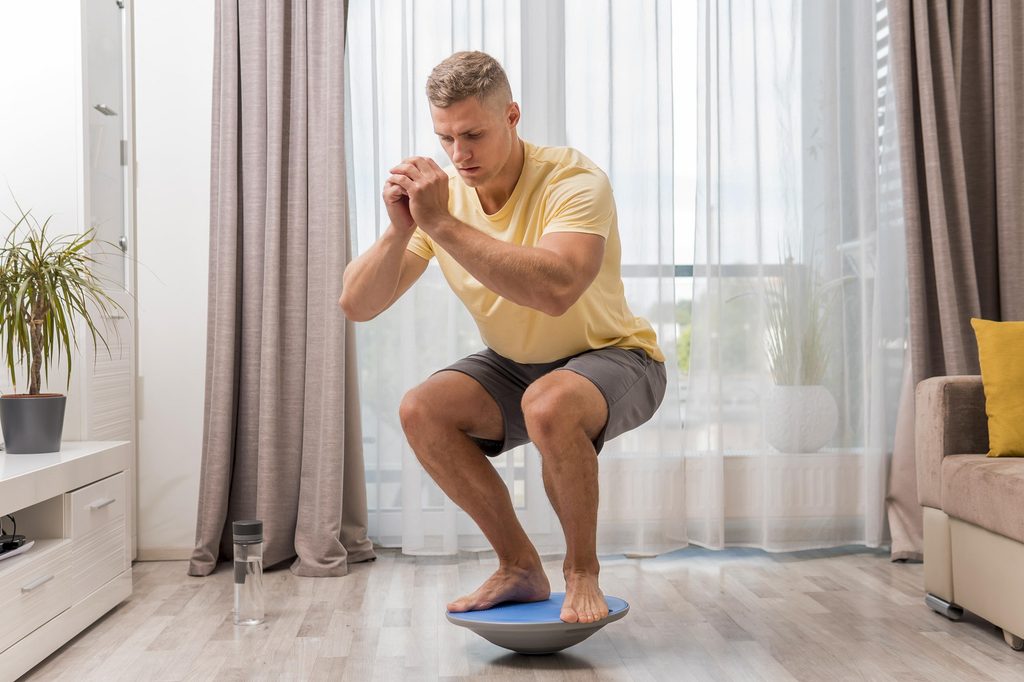
Enhancing joint-position awareness involves a combination of exercises and techniques designed to stimulate the proprioceptive system. One effective approach is balance training, which challenges your body to maintain stability in various positions. This can include simple exercises like standing on one leg or more advanced activities like using balance boards or stability balls.
Another powerful technique is resistance training, which not only strengthens muscles but also enhances proprioceptive feedback. By performing exercises that target specific muscle groups, you can improve joint stability and increase your awareness of joint positioning. For example, incorporating exercises like lunges, squats, and deadlifts can significantly boost your proprioceptive abilities.
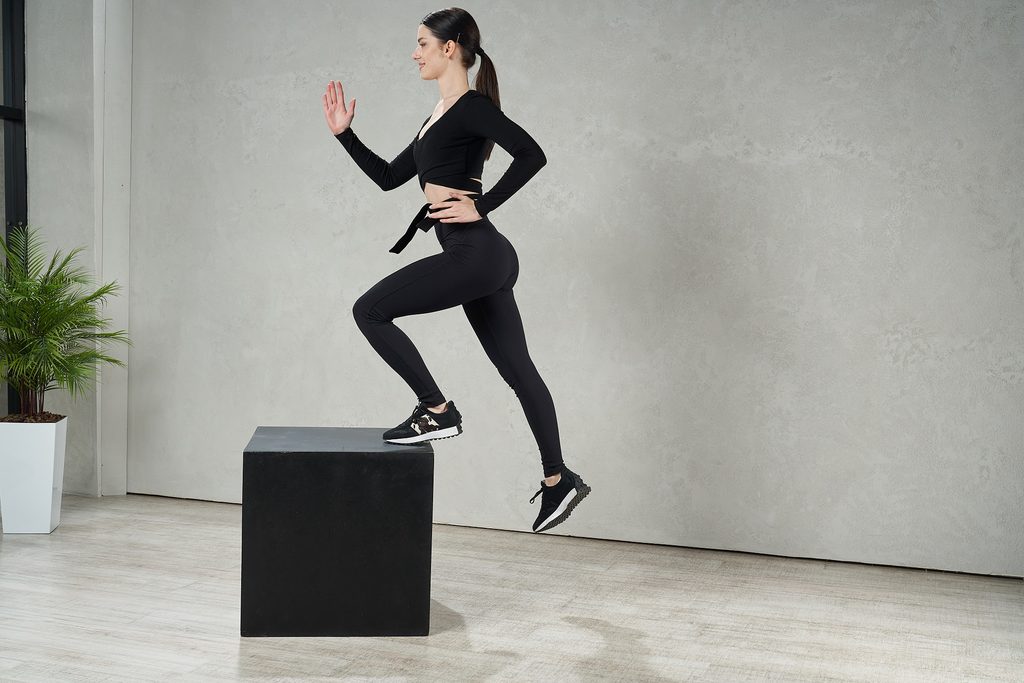
Additionally, incorporating plyometric exercises can further enhance joint-position awareness. These explosive movements, such as box jumps or medicine ball throws, require rapid changes in direction and speed, challenging your proprioceptive system to adapt quickly. By gradually increasing the complexity and intensity of these exercises, you can effectively enhance your joint-position awareness and overall functional movement.
The Role of Proprioception in Preventing Re-Injury
Proprioception plays a critical role in preventing re-injury by ensuring that your movements are precise and controlled. When joint-position awareness is compromised, you may unknowingly place undue stress on certain joints, leading to repetitive strain injuries. By enhancing proprioception, you can develop a heightened sense of body awareness, allowing you to adjust your movements to avoid potentially harmful positions.
This ability to self-correct is particularly beneficial for athletes and individuals with physically demanding jobs. Proprioceptive training can help in recognizing early signs of fatigue or instability, prompting you to modify your activities accordingly. This proactive approach reduces the likelihood of re-injury and extends the longevity of your physical capabilities.
Moreover, proprioception is integral to developing muscle memory, which is essential for performing repetitive tasks efficiently. By training your proprioceptive system, you create neural pathways that facilitate automatic and accurate movements, thus minimizing the risk of injury. This aspect of injury prevention is invaluable, as it empowers you to engage in activities with confidence and resilience.
Incorporating Joint-Position Awareness into Rehabilitation Programs
Incorporating joint-position awareness into rehabilitation programs requires a comprehensive approach that addresses both the physical and neurological aspects of recovery. A well-rounded program should include exercises that promote balance, coordination, and strength, all of which are essential for enhancing proprioception. Collaborating with a physical therapist can provide you with a personalized plan that targets your specific needs and goals.
The integration of technology can also play a significant role in enhancing joint-position awareness. Wearable devices and virtual reality systems can offer real-time feedback on your movements, helping you to make necessary adjustments and improve proprioception. These tools provide valuable insights into your progress and can be adapted to suit various stages of recovery.
In addition to structured exercises, incorporating mindfulness and body awareness techniques can further enhance joint-position awareness. Practices such as yoga and tai chi emphasize controlled movements and focus on the mind-body connection, which can be beneficial in improving proprioception. By adopting a holistic approach, you can maximize your recovery potential and ensure a successful return to your daily activities.
Tools and Resources for Improving Joint-Position Awareness
Several tools and resources are available to assist in improving joint-position awareness. Balance boards, stability balls, and resistance bands are widely used in rehabilitation settings to enhance proprioception. These tools can be easily incorporated into home exercise routines, offering flexibility and convenience in your training regimen.
In addition to physical tools, digital resources can also be invaluable. Mobile apps and online platforms provide guided exercises and tutorials that focus on enhancing proprioception. These resources often include video demonstrations, progress tracking features, and personalized workout plans, making it easier for you to stay motivated and engaged in your rehabilitation journey.
Furthermore, seeking guidance from professionals such as physical therapists, athletic trainers, and occupational therapists can provide you with expert insights into improving joint-position awareness. These professionals can offer personalized assessments and recommendations, ensuring that you are utilizing the most effective strategies for your specific needs. By leveraging these tools and resources, you can effectively enhance your proprioceptive abilities and support your recovery process.
Expert Opinions on Joint-Position Awareness in Rehabilitation
Experts in the field of rehabilitation emphasize the significance of joint-position awareness in achieving successful recovery outcomes. According to renowned physiotherapists, enhancing proprioception should be a priority in any rehabilitation program, as it directly influences neuromuscular control and functional movement. They advocate for the integration of proprioceptive exercises early in the recovery process to facilitate optimal healing and prevent future injuries.
Orthopedic specialists also highlight the role of joint-position awareness in maintaining long-term joint health. They stress that individuals who improve their proprioceptive abilities are better equipped to manage chronic conditions such as arthritis and degenerative joint diseases. By focusing on enhancing joint-position awareness, you can adopt preventive measures that promote joint stability and reduce the risk of complications.
Furthermore, sports medicine practitioners underscore the importance of proprioception in athletic performance and injury prevention. They recommend that athletes incorporate proprioceptive training into their regular workouts to enhance agility, balance, and coordination. This approach not only boosts performance but also minimizes the risk of sports-related injuries. By heeding expert advice, you can make informed decisions about your rehabilitation and recovery strategies.
Conclusion: The Future of Joint-Position Awareness in Injury Recovery
The future of joint-position awareness in injury recovery is promising, with ongoing advancements in research and technology. As our understanding of proprioception continues to evolve, new methods and tools are being developed to enhance joint-position awareness more effectively. Innovations such as biofeedback devices, virtual reality environments, and neuromuscular training programs are poised to revolutionize rehabilitation practices.
Embracing these advancements can significantly impact your recovery journey, offering more personalized and efficient solutions for enhancing joint-position awareness. By staying informed about the latest developments in this field, you can take advantage of cutting-edge techniques that accelerate healing and improve functional movement.
As you navigate your recovery process, remember that joint-position awareness is a crucial component of achieving long-term success. By prioritizing proprioception in your rehabilitation efforts, you can regain your independence, prevent re-injury, and enhance your overall quality of life. Take the first step towards a successful recovery by consulting with a healthcare professional to develop a comprehensive plan tailored to your unique needs.