
Knee osteoarthritis is a prevalent condition that affects millions worldwide, primarily impacting individuals over the age of 45. This degenerative joint disease is characterized by the breakdown of cartilage, the cushioning material between the bones, leading to pain, stiffness, and reduced mobility. As the cartilage wears down, bones may begin to rub against each other, causing inflammation and discomfort.
The risk factors for developing knee osteoarthritis include age, obesity, previous joint injuries, and genetic predisposition. While osteoarthritis knee can significantly affect the quality of life, understanding its nature is the first step toward effective management. Recognizing the symptoms early can help in seeking timely medical advice, preventing further joint damage.
Treatment options for knee osteoarthritis range from lifestyle modifications and physical therapy to medications and surgical interventions. However, incorporating strength training into your routine can play a crucial role in alleviating symptoms and improving joint function.
The Importance of Strength Training for Joint Health

Strength training exercises are not just about building muscles; they play a vital role in maintaining overall joint health. By reinforcing the muscles surrounding your joints, you can provide better support and stability, reducing the strain on your knees. This support is particularly important for those with knee osteoarthritis, as it can help minimize pain, improve joint function, and enhance mobility.
Engaging in regular strength training can also contribute to increased bone density, which is crucial for preventing osteoporosis and other bone-related issues. Stronger bones mean less pressure on your joints, making everyday movements easier and less painful. Additionally, strength training can aid in weight management, which is a significant factor in reducing stress on your knees.
Moreover, strength training promotes the production of synovial fluid, which lubricates the joints, aiding in smoother movements. By incorporating targeted exercises, you can improve your joint’s range of motion, flexibility, and overall function. As you continue to strengthen your muscles, you’ll likely notice a reduction in osteoarthritis symptoms and an improvement in your quality of life.
How Strength Training Affects Knee Osteoarthritis
When you engage in strength training, you are actively working to reduce the symptoms of knee osteoarthritis. By focusing on the muscles around your knee, such as the quadriceps, hamstrings, and calf muscles, you can improve joint alignment and lessen the burden on your knee joints. Working alongside a chiropractor in Islamabad, when appropriate as part of your care team, may also help support joint mobility and overall musculoskeletal function. This reduction in stress can translate to decreased pain and increased joint stability.
Strength training can also slow the progression of knee osteoarthritis. By maintaining muscle mass and joint function, you can delay the need for invasive procedures like knee replacement surgery. Regular exercise keeps your joints active, reducing stiffness and enhancing flexibility, which are common challenges faced by individuals with osteoarthritis.
Furthermore, strength training can boost your mental health by releasing endorphins that help in reducing pain perception. This psychological benefit is crucial, as living with chronic pain can often lead to feelings of depression and anxiety. By staying active and strong, you can maintain a positive outlook and better cope with the challenges of knee osteoarthritis.
Recommended Strength Training Exercises for Knee Osteoarthritis
Incorporating specific exercises into your routine can significantly benefit those with knee osteoarthritis. Here are some recommended strength training exercises that focus on improving knee stability and reducing pain:
1.Leg Raises:
- Lie flat on your back with one leg bent and the other straight.
- Slowly lift the straight leg to about a 45-degree angle and hold for a few seconds.
- Lower it gently and repeat 10-15 times for each leg.
2.Wall Sits:
- Stand with your back against a wall and feet shoulder-width apart.
- Slide down into a sitting position, keeping your back against the wall.
- Hold for 10-15 seconds and repeat for 5-10 times.
3.Hamstring Curls:
- Stand behind a chair for support.
- Bend one knee and bring your heel towards your buttocks.
- Hold for a few seconds before lowering and repeat 10-15 times per leg.
These exercises are designed to be low-impact, minimizing stress on your knees while effectively strengthening the surrounding muscles. It’s important to start slowly and gradually increase the intensity as your strength improves.
Crafting a Strength Training Program for Knee Recovery
Creating a personalized strength training program is essential for effectively managing knee osteoarthritis. Begin by consulting with a healthcare professional or a certified trainer to assess your current fitness level and determine the most suitable exercises for your needs.
Key Components of a Strength Training Program:
- Warm-Up: Spend 5-10 minutes warming up with light aerobic activities such as walking or cycling to prepare your muscles for exercise and prevent injuries.
- Targeted Exercises: Include exercises that focus on strengthening the quadriceps, hamstrings, glutes, and calf muscles. Ensure that exercises are low-impact to avoid exacerbating knee pain.
- Frequency: Aim for at least two to three strength training sessions per week, allowing rest days in between to facilitate muscle recovery.
- Progression: Gradually increase the intensity and duration of your workouts as you build strength and endurance. Listen to your body and adjust your routine if you experience discomfort.
Tracking your progress is crucial to staying motivated and ensuring your program is effective. Keep a log of your exercises, sets, and repetitions, and note any improvements in pain levels or mobility. This record can provide valuable insights for adjusting your routine and celebrating milestones.
The Role of Physical Therapy in Strength Training
Physical therapy plays an integral role in the strength training journey, particularly for those with knee osteoarthritis. A physical therapist can guide you in performing exercises correctly, ensuring they are safe and effective for your condition. They can also provide personalized recommendations based on your specific needs and limitations.
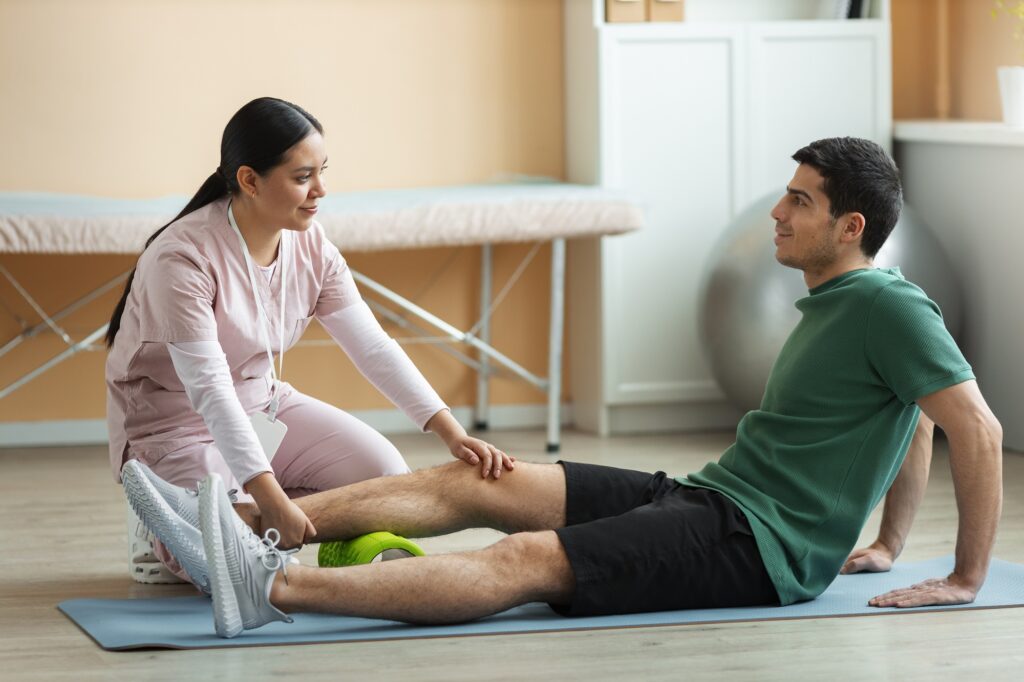
In addition to exercise guidance, physical therapists can offer valuable insights into pain management strategies. Techniques such as manual therapy, heat/cold application, and electrotherapy can complement your strength training efforts and provide relief from osteoarthritis symptoms.
Regular consultations with a physical therapist can help track your progress and make necessary adjustments to your exercise routine. Their expertise can assist in addressing any challenges you encounter, ensuring that you remain on the path to recovery and improved joint health.
Common Myths About Strength Training and Osteoarthritis
There are several misconceptions surrounding the role of strength training in managing knee osteoarthritis. Addressing these myths can help you make informed decisions about your exercise regimen.
Myth #1: Strength Training Worsens Knee Pain
Fact: When done correctly, strength training can alleviate knee pain by strengthening muscles and improving joint support. It’s essential to focus on low-impact exercises and proper form to prevent injury.
Myth #2: Osteoarthritis Patients Should Avoid Exercise
Fact: Regular exercise, including strength training, is crucial for managing osteoarthritis symptoms. It helps maintain joint function, reduce stiffness, and enhance overall mobility.
Myth #3: Only Young People Benefit from Strength Training
Fact: Individuals of all ages can benefit from strength training. It can enhance muscle strength, improve balance, and reduce the risk of falls, making it especially beneficial for older adults with osteoarthritis.
Understanding the truth behind these myths can empower you to incorporate strength training into your routine confidently, knowing it is a safe and effective way to manage knee osteoarthritis.
Consultations and Resources for Osteoarthritis Management
Seeking professional guidance is crucial for effectively managing knee osteoarthritis. Consulting with healthcare providers, such as orthopedic specialists, rheumatologists, and physical therapists, can provide you with comprehensive care and tailored treatment plans.
Additionally, numerous resources are available to support your osteoarthritis journey:
- Support Groups: Connect with others who have osteoarthritis to share experiences, advice, and encouragement.
- Educational Workshops: Attend workshops or seminars to learn more about the condition, treatment options, and lifestyle modifications.
- Online Resources: Websites and forums dedicated to osteoarthritis can offer valuable information, tips, and community support.
These resources can help you stay informed and motivated, ensuring that you have the tools and knowledge necessary to manage your condition effectively.
Conclusion: Embracing Strength Training for a Healthier Future
Incorporating strength training into your routine can play a pivotal role in managing knee osteoarthritis. By strengthening the muscles around your joints, you can reduce pain, improve mobility, and enhance your overall quality of life. With the guidance of healthcare professionals and a well-crafted exercise program, you can take control of your condition and work towards a healthier, more active future.
Remember, the journey to recovery is unique for everyone. Listen to your body, stay consistent, and don’t hesitate to seek support when needed. By embracing strength training and making informed choices, you can pave the way for long-term joint health and well-being.
For personalized guidance and support, consider reaching out to a healthcare professional or joining a support group. Together, you can develop a comprehensive plan tailored to your needs, helping you achieve a fulfilling and active lifestyle despite knee osteoarthritis.